 Admin
Admin What Is Diet Dry Pepper?
My mother has been throwing 2–3 dried red chillies into the tadka every single day for as long as I can remember. No measuring, no second thought, just — crack, sizzle, done. And I spent years assuming that was just about taste.
That little habit she never once thought about? Turns out it was doing more for her metabolism, immunity, and gut health than half the “wellness” products people spend money on today.
Diet dry pepper – these are dried forms of chillies and pepper that are used in Indian cooking forever. The list includes sukha lal mirch (dried red chilli), kali mirch (black pepper), Kashmiri dry chilli, cayenne pepper, sun dried green chillies etc. These ingredients are not something rare or exotic. They’re in every Indian kitchen already. The only difference is using them with a little awareness instead of just out of habit.
.
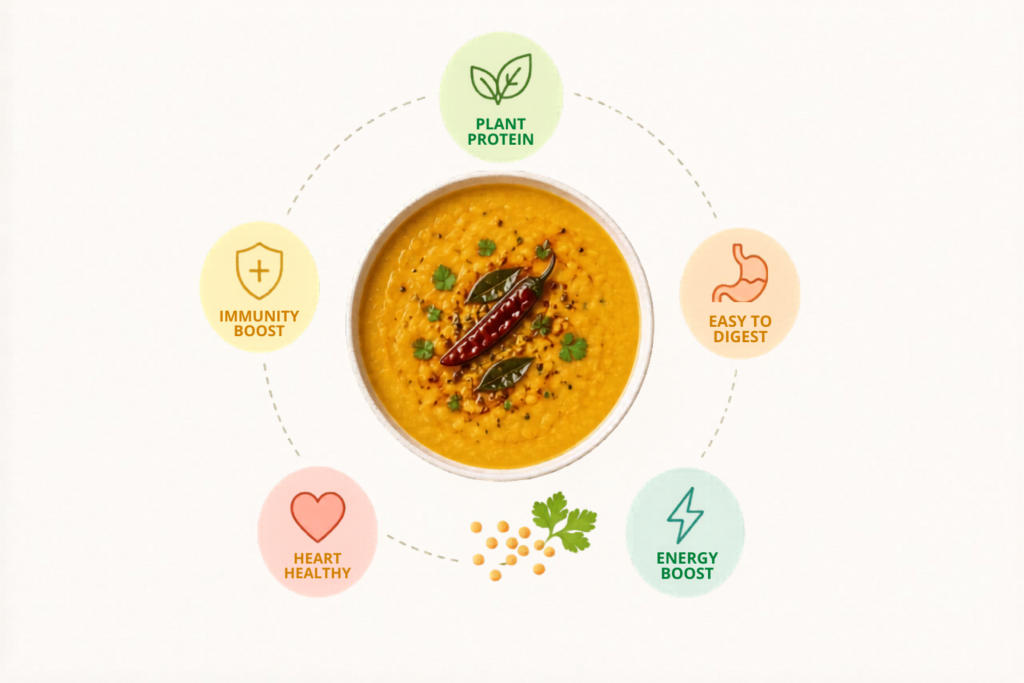
Now — you’re obviously not eating 100g of dry chilli. You’re using maybe 2–3 grams per meal. Which means the calories you’re actually adding to your food? Practically zero. But Vitamin A and Vitamin C? Still present. Still working.
Check Previous Blog: Moringa 1 Teaspoon Powder: Full Nutrition Facts
Exactly, that is the whole issue.
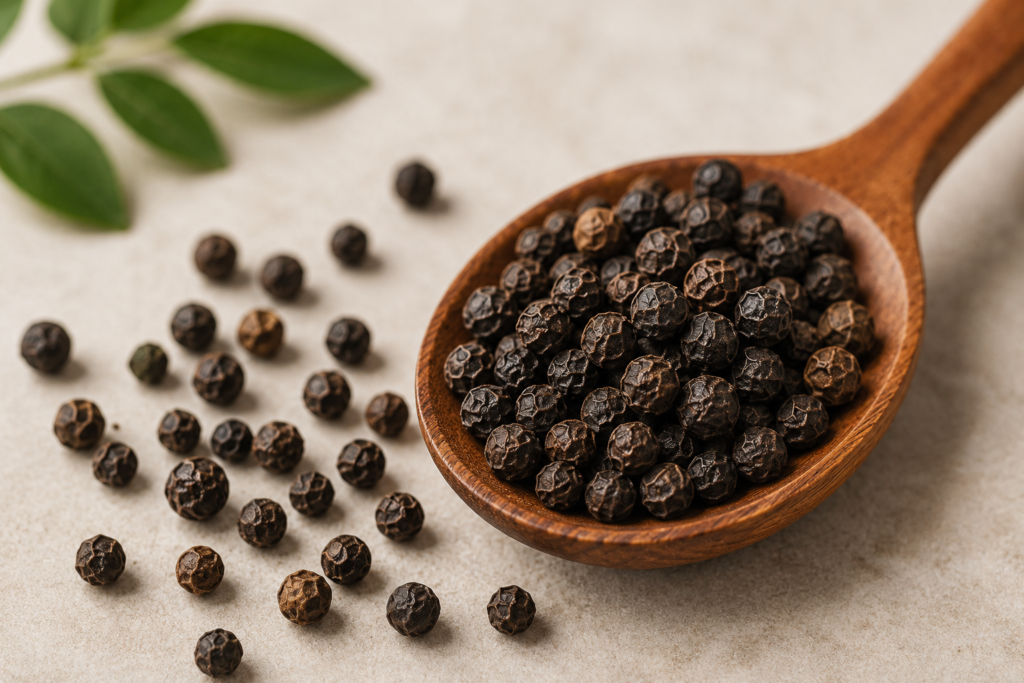
Black pepper deserves its own mention here. What has happened is with the kali mirch there’s this chemical called piperine, and piperine is truly amazing – piperine actually boosts up the nutrient absorption in your body from your other food by as much as 2,000% That’s why in Ayurveda they used black pepper and turmeric for years. It wasn’t about flavour. It was about making the turmeric actually absorb into the body. Old wisdom. Real science.
Here are 10 actual research-backed health benefits of diet dry pepper:
1. Your Metabolism Gets a Quiet Boost
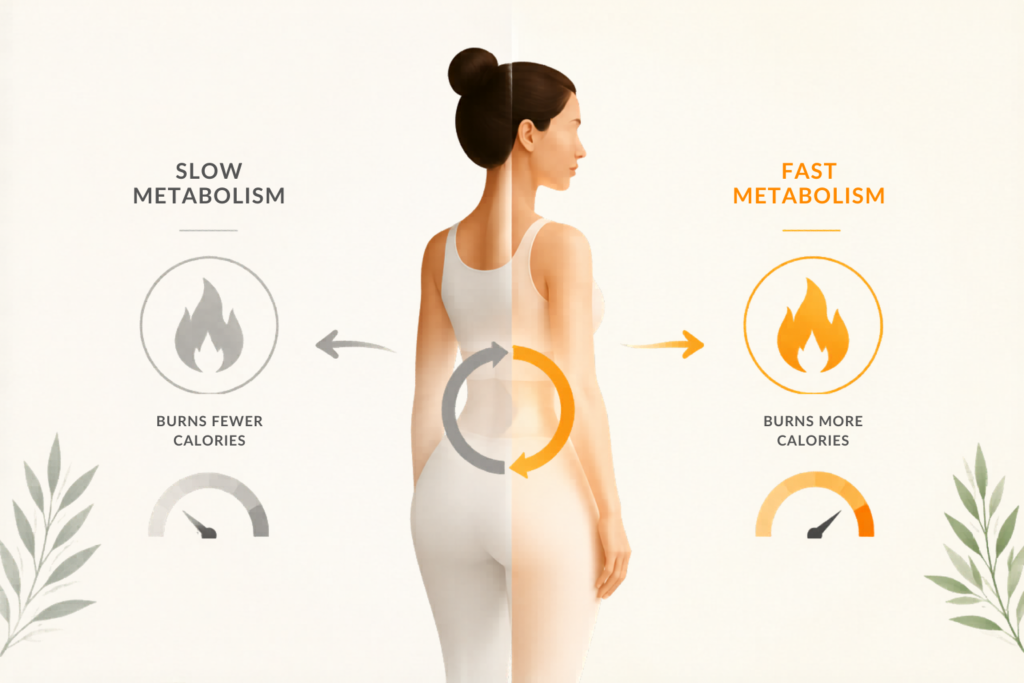
Capsaicin — the active compound in dried chilli — triggers something called thermogenesis. In plain terms, your body generates extra heat, and generating that heat burns calories. A study in the British Journal of Nutrition found that capsaicin intake regularly can bump up your metabolic rate by 4–5% and increase fat oxidation by up to 16%.
To the average Indian who has rice, roti and dal every meal, a slight increase like this added up over a year does quite a bit for their metabolic system. Not dramatically. But steadily. And steady is what matters.
2. It stealthily decreases your portion sizes
This one genuinely shocked me when I first learned about it. A 2014 study published in Appetite determined that eating a meal containing capsaicin results in a nearly 74 calorie deficit per meal – and there was no evidence of the participants intentionally eating less! Capsaicin plays a role in ghrelin, your hunger hormone, and basically makes your brain think that you’re already full a little faster. Pair this with the increased fiber in dried pepper which slows digestion and this could be a serious game-changer in the world of over-eating-by-biology-not-willpower.
3. Fights the damage that pollution and stress do to your cells
Dried peppers contain beta-carotene, lutein, zeaxanthin and Vitamin C – all antioxidants. What that means in simple terms is that they work to fight off free radicals (unstable molecules) that can cause damage to your cells and may eventually lead to everything from premature aging, to cancer to heart disease.
If you live in any big city of India such as Delhi, Mumbai or Chandigarh and are faced with pollution, stress, unhealthy food and poor sleep, the body is constantly working to repair the oxidative damage that occurs. Diet dry pepper will not correct all these problems but it is an incredibly affordable and readily available source of antioxidants.
4. Even more surprising benefits for your heart
It’s been found that capsaicin and piperine can reduceLDLcholesterol levels, improve circulation and minimize long term inflammation. Long term, low-grade inflammation is considered one of the key contributing factors to a deteriorating artery wall over decades. Since India has the largest number of cardiovascular diseases, easily incorporated, diet changing modifications in our everyday cooking makes perfect sense.
5. Managing your Blood Sugar levels becomes simpler
In India there are more than 101 million people who have Type 2 Diabetes. No statistic needs explaining here as the figure is so astronomical it explains itself.
A study published in the American Journal of Clinical Nutrition revealed that capsaicin helps to enhance insulin sensitivity and lowers post-meal blood sugar spike. If you are predisposed or are actually working to control your blood sugar, the thought that a simple ingredient like dried chilli can offer aid should be of some importance.
6.Spicy Food is Bad for the Stomach”-Well actually, no.
A small portion of dried pepper actually increases the secretion of gastric juices and improves the breakdown of your food rather than damaging it. The fiber in dried chilli fuels the good bacteria residing in your gut. And the traditional tadka with dried red chilli, jeera, and hing.
That’s one of the most effective natural digestive combinations in Indian cooking — generations figured that out before anyone had the lab research to confirm it.
The key word is moderate. Excessive amounts, yes, can cause irritation. But the one or two dried chillies in a normal dal tadka? That’s your digestive system being supported, not attacked.
7. One Dried Red Chilli Has More Vitamin C Than an Orange
Even still I cannot fully believe this and I have seen it quoted numerous times. If you compare the weight of a dried red chilli with the weight of an orange then the chilli has more Vitamin C in. Considering the sheer amounts of Vitamin A in the chilli as well and you have an immunity powerhouse of a spice that is very small.
The combination of the two vitamins helps to boost production of the white blood cells that are needed for immune response, the two work to support your lining against irritation in the airways and they both have effects on tissue repair when you’re unwell. In a place with poor air quality, you are also going to be prone to seasonal infections that will attack your respiratory system. It’s something more than insignificant.
8. Black Pepper Makes the Rest of Your Food Work Harder
This one is piperine again and we should probably give it more credit. Adding black pepper increases the absorption of curcumin in turmeric by up to 20 times! The same goes for Vitamin B12, selenium, and beta-carotene which also absorb more when piperine is consumed with them.
So whenever you are having your sabzi with haldi or drinking your haldi doodh before sleep, don’t forget a pinch of kali mirch. It’s what makes the entire meal efficient!
9. It Has Real Pain-Relieving Properties
Capsaicin blocks a pain-signalling compound in the body called Substance P. This is exactly how those capsaicin-based joint pain creams work. Consumed regularly, dried pepper can help reduce the kind of chronic inflammation behind arthritis and persistent muscle soreness. For older adults dealing with joint issues — something increasingly common in Indian families — this is a low-effort benefit that’s worth knowing about.
10. Your Grandmother’s Kali Mirch Kadha Was Not Superstition
Every Indian household has some version of it — warm water or milk with black pepper, tulsi, ginger, maybe a bit of honey. It gets brought out every time someone has a cold or a blocked nose.
Science now confirms capsaicin is a natural decongestant — it thins mucus and clears the respiratory tract. Dried pepper also has documented antimicrobial properties. So that remedy passed down through the family wasn’t folk medicine being overly cautious. It was folk medicine being right.
Capsicum compound (capsaicin) burns an extra 50-100 calories per day (thermogenesis). It reduces how much you eat per meal. And importantly, it helps prevent the metabolic slowdown that happens when you go on a calorie-restricted diet — which is the main reason people lose weight and then gain it all back a few months later.
For Indian women who’ve tried restrictive diets and hit a plateau — and honestly, who haven’t — the metabolic support from capsaicin is one practical reason to take this seriously. And if you can’t handle much heat, Kashmiri dry chilli is your best friend. You get the capsaicin benefits with maybe 20% of the burn.
Check Previous Blog: The 30-Day Indian Diet Plan for Acne-Free
How much per day? One to three dried red chillies should do. Black pepper to taste, that will be between half to one teaspoon of kali mirch. If using the powder, use a quarter of a teaspoon of cayenne. That is all. More isn’t better — consistency is what matters here.
With a regular amount you should be absolutely ok, though with GERD or stomach ulcers it may aggravate your acid reflux and so should be taken in moderation and test your own body’s reaction. Similar to IBS sufferers and if suffering from piles too. If you have kidney disease, the potassium levels in dried pepper are worth flagging to your doctor. And during pregnancy, large amounts are best avoided.
From a pragmatic point of view – improved metabolism, improved digestion, improved immunity, blood sugar level stability and better nutrient absorption from all your other food. The two active compounds doing the hard work are capsaicin and dietary fiber.

Can it really contribute to weight loss?
Yes, quite significantly, providing it’s part of an overall approach and not instead of one. It increases fat oxidation slightly, mildly decreases appetite and counteracts the tendency for metabolism to crash during a diet.
This should be 1-2 dried red chillies, or 1/2 teaspoon of black pepper and stick in this area with regularity. That’s the secret.
Can people with diabetes use this?
Research indicates they can. Capsaicin has shown benefits to insulin sensitivity and lowering of postprandial glucose (after meals). This is simply a supportive aid in the diet however, it does not form part of any ‘treatment’. You would still be advised to follow doctor’s instructions along with any dietary change.
Red chilli or black pepper – which should I use?
These perform significantly different roles, so both should be employed. Red chilli offers capsaicin as well as vitamins A and C. Black pepper aids absorption of all other nutrients within food, and so use together you obtain maximum benefit from each.
Is dry pepper anti-inflammatory?
It is. Capsaicin as well as piperine reduce inflammatory markers such as CRP and IL-6 within the body. As it is chronic inflammatory processes at the heart of most ‘lifestyle diseases’ this cannot be understated.
Warm water and dried pepper – is it all just hype?
It is not. Warm water and cayenne in warm water with a bit of lemon will gently stimulate digestion and turn on your metabolism. It is not magic, but over a period of time as part of your daily ritual will provide tangible benefits. Do it in the morning and don’t remove it.
Final thought
You don’t need exotic, expensive, powder shipped in from halfway across the globe. You don’t need an 11 step morning ritual with global supplements. One single thing will revolutionize your metabolic health, give your digestive function a kickstart, boost your immune response and support your weight management. You probably already have it lying in your kitchen spice rack.
Dried red chili in your masala dabba. The Kali mirch in the little box next to your haldi. The Kashmiri chilli you bought on that trip to India and maybe used once.
Your grandmother knew this, didn’t need a name for it like “superfood” and used it every single day, not fussed about combining it and just let it do its work as part of her normal food regime.

 Admin
Admin
[…] Check another blog: Diet Dry PeppPhysical Fitnesser […]
[…] Check another blog: Diet Dry Pepper […]
[…] Check Previous Blog: Diet Dry Pepper: Why This Ignored Kitchen […]
[…] Check Previous Blog: Diet Dry Pepper: Why This Ignored Kitchen Staple Might Be the Best Thing for Your Health […]
[…] Check Previous Blog: Diet Dry Pepper: Why This Ignored Kitchen Staple Might Be the Best Thing for Your Health […]