 Admin
Admin Introduction: The Ancient Indian Superfood Now Backed by Science
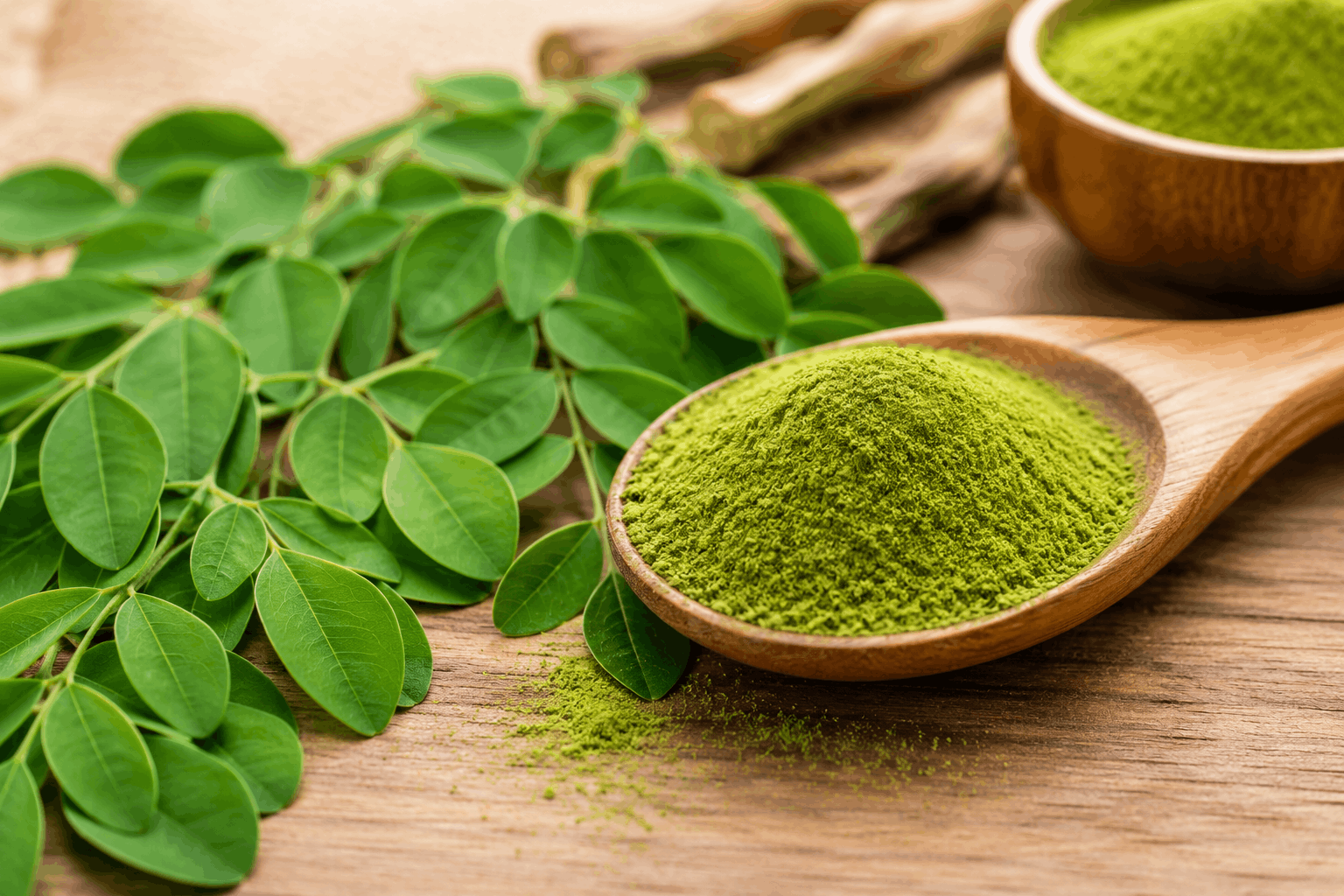
Visit any crowded market in Tamil Nadu, Andhra Pradesh or Rajasthan and you are sure to come across the long, slender pods of the Moringa tree, called locally Sahjan, Drumstick or Murungai. For centuries, Indian grandmothers have been adding these pods to sambar, rasam and curries, not because they read a health magazine, but because they knew instinctively what this plant could do for the health of the family.
Today, traditional Indian wisdom has caught up with nutrition science. Scientists worldwide have intensely studied Moringa oleifera and the results are mind-boggling. This tree, a plant that grows easily in the Indian climate, contains more essential nutrients per gram than almost any other plant food. Especially the dried leaf powder condenses all of The tree grows easily in the Indian climate and contains more essential nutrients per gram than almost any other plant food. Especially the dried leaf powder, concentrating all that nutritional power into a super convenient, affordable and versatile form.
What is Moringa Powder and How is it Produced?
Moringa powder is derived from the dried leaves of the Moringa oleifera tree of the Moringaceae family. The tree is indigenous to sub-Himalayan India and is now extensively cultivated all over the country, notably in Tamil Nadu, Andhra Pradesh, Karnataka, Gujarat, Maharashtra and Rajasthan.
Harvesting: Mature, fresh moringa leaves are hand-selected from the branches. Moringa 1 Teaspoon Powder On the top of the branch you can find younger leaves which are preferred as they contain the highest concentration of nutrients and are milder in taste.
Packaging: After that people put the powder in special packaging that keeps air and moisture out. It is best to use coloured pouches or glass jars. This stops the moringa powder from getting bad when it is exposed to light.
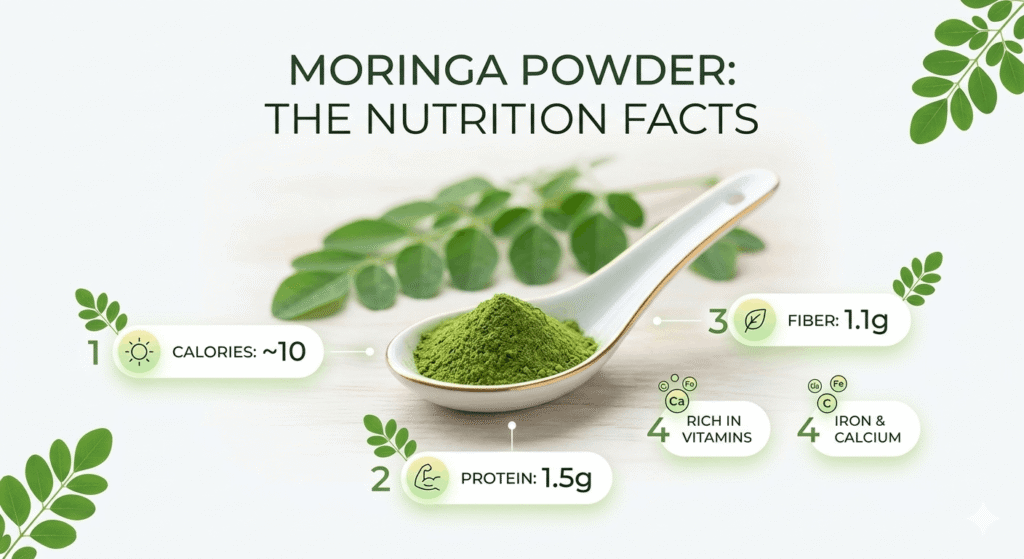
1Teaspoon of Moringa Powder: The Full Nutrition Facts Table
One level teaspoon of moringa powder weighs about 2.5 grams. Here is a complete nutritional breakdown based on USDA data and peer-reviewed research on Moringa oleifera leaf powder: Nutrient
| Nutrient | Amount per 1 tsp (2.5g) | % Daily Value (Approx.) |
| Calories | 10 kcal | — |
| Carbohydrates | 1.5g | ~0.5% |
| Dietary Fiber | 0.4g | ~1.6% |
| Protein | 0.9g | ~1.8% |
| Total Fat | 0.2g | ~0.3% |
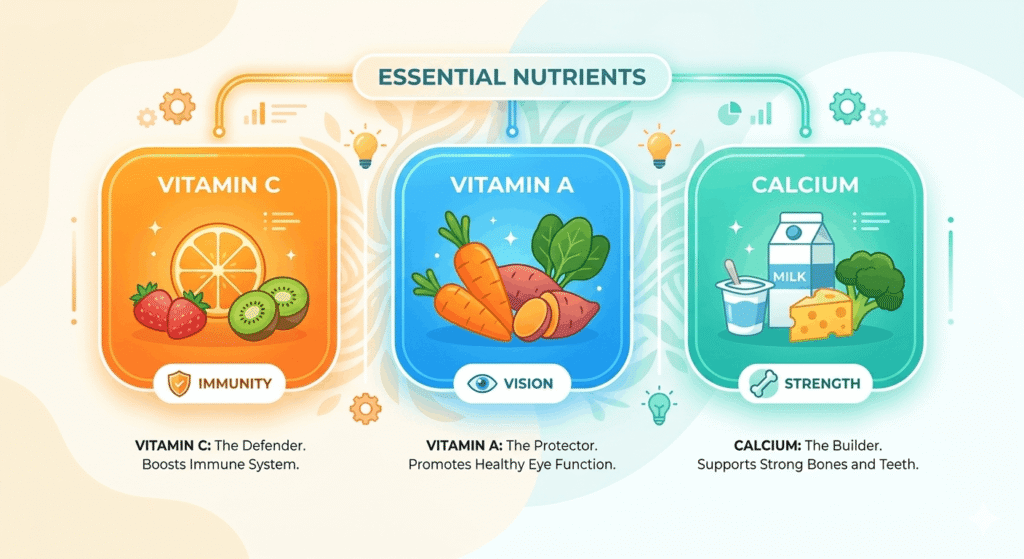
| Vitamin C | 16mg | ~18–20% |
| Vitamin A (Beta-Carotene) | 95 mcg RAE | ~10–12% |
| Calcium | 40mg | ~4% |
| Iron | 1.1mg | ~6–8% |
| Potassium | 77mg | ~1.6% |
| Magnesium | 10mg | ~2.5% |
| Vitamin B6 | 0.08mg | ~5% |
| Riboflavin (B2) | 0.05mg | ~4% |
| Zinc | 0.1mg | ~1% |
| Phosphorus | 14mg | ~1.4% |
| Folate | 8mcg | ~2% |
Values taken from peer-reviewed research on M. oleifera leaf powder and USDA FoodData Central.
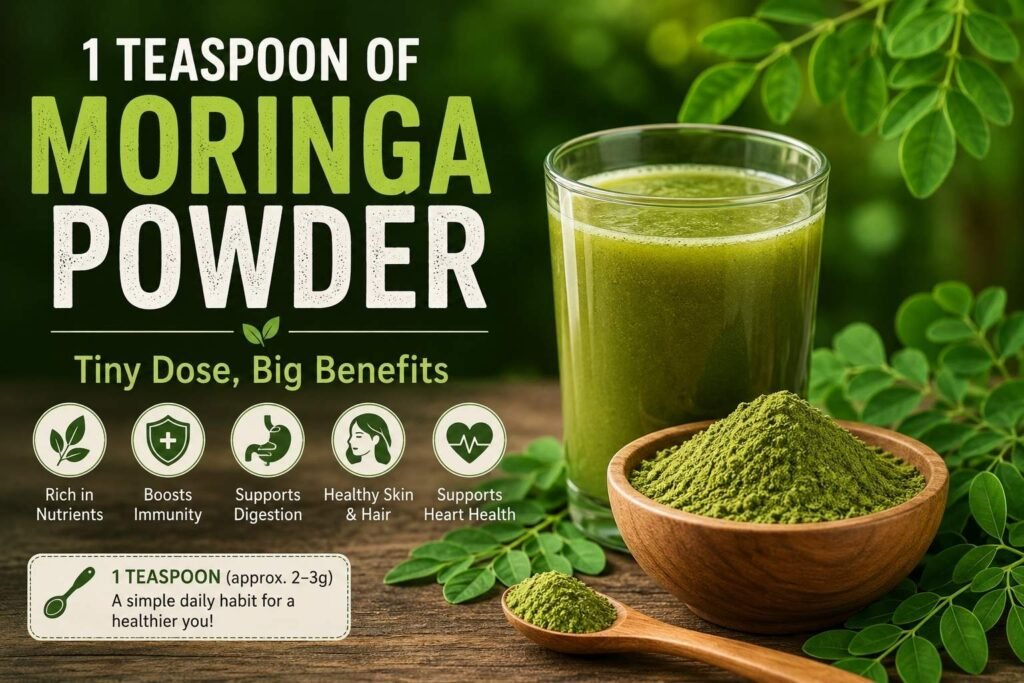
Important Information: These counts correspond to only one teaspoon. Most dietitians advise 2–3 teaspoons daily for adults, so the nutritional input successfully doubles or triples. Moringa taken at three teaspoons each day can supply almost 20% of your daily iron need, 35–40% of your Vitamin C needs, and around 12% of your calcium consumption from a totally natural source. Moringa 1 Teaspoon Powder
Deep Dive: What Each Nutrient in Moringa Powder Does for Your Body
1:Revolutionary Understanding of Protein and Essential Amino Acids
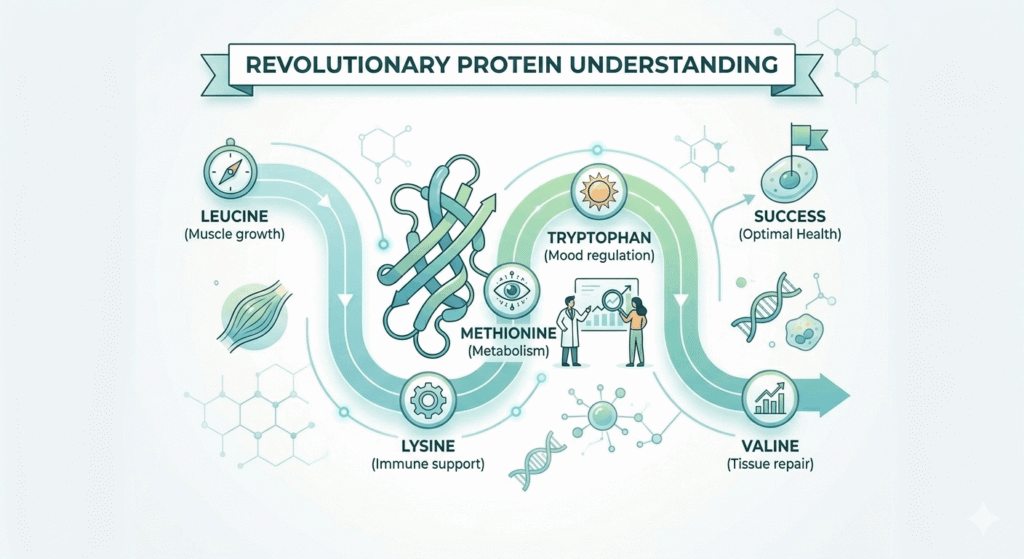
When people think of sources of proteins, they think of eggs, chicken, fish—all animal foods, and, in the Indian context, dal and paneer. Few people consider a leaf powder to be a protein source, which is why Moringa is a big surprise for many in the nutrition space. Did you know that 1 tsp of moringa leaf powder contains 0.9g of protein? In addition to protein, this plant food also has an impressive amino acid profile as it has 9 of the essential amino acids (EAAs): Leucine, Isoleucine, Valine, Lysine, Methionine, Phenylalanine, Threonine, Tryptophan & Histidine.
Amino acids, especially leucine and isoleucine, are implicated in muscle protein synthesis responsible for muscle recovery and repair. This indicates that moringa is indeed beneficial for people who go to the gym, athletes as well as those recuperating from an illness or after undergoing surgery.Proteins are the raw materials used in the production of enzymes, hormones, and immune antibodies. Sufficient intake of amino acids by various sources such as moringa supports everything from thyroid hormone production to immune cells.
Check Previous Blog: Diet Dry Pepper: Why This Ignored Kitchen Staple Might Be the Best Thing for Your Health
2. Iron – India’s Most Common Nutritional Problem
Iron deficiency anemia is not a simple health problem in India. It is a public health emergency in our country. The National Family Health Survey, which is also known as NFHS-5 says that than 57 percent of women in India who are between 15 and 49 years old and more than 67 percent of children in India who are under 5 years old have anaemia. These numbers are really shocking. They show that people in India are not getting enough iron from the food they eat.
Moringa powder is a source of iron. One teaspoon of Moringa powder has 1.1 milligrams of iron. Now this iron is -haem iron, which means it comes from plants. The thing, about -haem iron is that it is not as easy for our bodies to use as the iron we get from meat which is called haem iron.. There are some things we can do to help our bodies absorb this iron from Moringa powder. Certain things can really help our bodies get the iron they need from Moringa powder.
3. Vitamin C. It Does A Lot More Than Just Help With Immunity
Vitamin C is something that people do not really understand. A lot of people think Vitamin C is something that helps when they have a cold.. Vitamin C is actually really good at stopping damage to cells and it helps lots of parts of the body work properly.
Vitamin C does things for the body. One teaspoon of moringa powder that was dried in the shade has about 16mg of Vitamin C in it. This is pretty cool because Vitamin C is easily destroyed by heat, most of the time when we cook food the Vitamin C is gone. Here is what the Vitamin C, in moringa powder does for the body when we eat it:
So you want to know what Vitamin C is doing for you.
Vitamin C is really important for making Collagen.Collagen is a type of protein that helps hold your skin and blood vessels and bones and cartilage and other tissuesIf you do not have Vitamin C your body will not make as much Collagen.
When this happens it takes a time for your wounds to heal and your joints will hurt and your skin will get old too soon.Vitamin C is doing a lot of things for you like helping with Collagen synthesis, which is the process of making Collagen.This is important for keeping your skin and other tissues healthy and strong.So Vitamin C is really good, for you because it helps your body make Collagen.Vitamin C is really good at protecting us from things that can hurt our bodies. When we are around pollution stressed out eat food or are in the sun too much it can cause damage to our cells.Iron is important for us. Our bodies can not use it if it is not in the right form. Vitamin C changes the iron into a form that our bodies can use. This is why moringa is so good for us. It has both iron and Vitamin C so it is like a package that helps our bodies.
4. Vitamin A. Protecting Vision, Skin and Immunity From the Inside
Vitamin A is a problem in India. It affects a lot of children and women in rural and tribal areas. When you do not have Vitamin A you can have night blindness and dry eyes. You can also get sick easily. Not grow properly if you are a child.
One teaspoon of moringa powder has 95 mcg of Vitamin A. This is 10 to 12 percent of what adults need every day. t is a part of the thing in your eyes that lets you see in the dark. If you do not have Vitamin A you can have trouble seeing in the dark. This is often the sign that you do not have enough Vitamin A.is also good, for your skin. It helps get rid of skin cells and grow new ones Natural dietary Vitamin A from moringa supports the same processes from within. Vitamin A is crucial for the maintenance of the mucosal barrier integrity. What this means is Vitamin A is vital for maintaining healthy mucosal lining of the nose, throat, lungs and gut. The mucosal barrier forms a layer which prevents harmful bacteria and viruses entering your body.
5.Calcium – Bone building without the dairy.
India and Calcium is an unusual paradox. Whilst dairy is extremely important to Indian cuisine, whether in milk, curd, paneer or lassi; it is found that despite the prevalent consumption of dairy, deficiency in calcium is common, particularly in women and the aged.This is not all a big part of the population has lactose intolerance or they follow a vegetarian or vegan lifestyle, which means they do not have dairy in their diets. This reduces the amount of calcium they get from their food. The Indian population is really missing out on this source of calcium.
Bone density preservation: Calcium is the main mineral which makes our bones structurally strong and dense. Maintaining lifelong optimum calcium intake – together with vitamins and magnesium – has a large impact on reducing fracture risk associated with aging (and osteoporosis, now becoming an increasing problem for Indian women post menopause).
Transmission of nerve signals: It is through an electrical signal passed along nerve fibres that nerves signal other cells, including each other. It is calcium ions that enable this signaling process, releasing neurotransmitters across the nerve synapses and thereby allowing processes ranging from reflexes, to the feelings of depression and joy, to function correctly.
Blood clotting: Calcium is an important part of the coagulation cascade of the blood. The correct blood-clotting mechanisms will work only if sufficient calcium is present to effect them
6. Magnesium and potassium- The silent guardians of heart and metabolism.
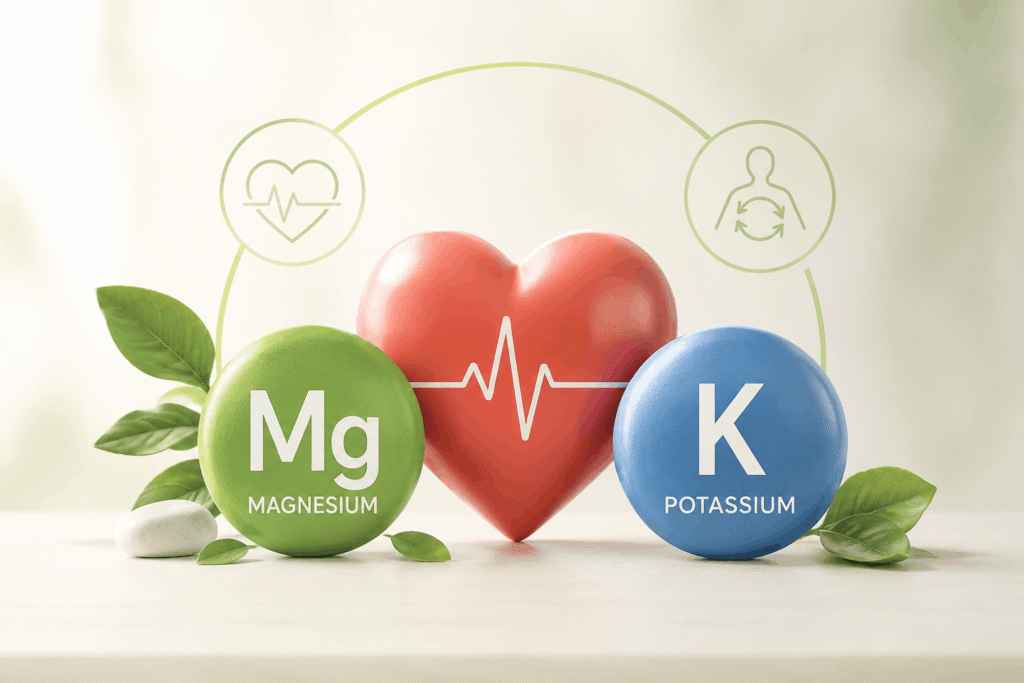
Though calcium and iron often steal the nutritional limelight, we seem to overlook magnesium and potassium which are arguably more vital and the minerals most frequently deficient in today’s Indian diet high on processed foods and low on greensA teaspoon of moringa offers 10 mg magnesium and 77 mg potassium. And why are they significant, especially for urban Indian:
Control Blood Pressure: The relationship of potassium is inversely proportional to the sodium in our body. Sodium encourages retention of water in kidneys and thus increases blood pressure. The diet of Indians typically contains a large amount of sodium from consumption of food like pickles, packed food items and food from restaurants. Potassium can counteract the same effect and facilitate sodium excreation through urine. A regular intake of potassium from moringa can be significantly responsible in the control of blood pressure.
Control Blood Sugar: Magnesium plays a significant role in over 300 enzyme systems in the body which are indirectly or directly related with the insulin signaling and the glucose metabolism. Studies reveal a constant and significant lower levels of magnesium in type 2 diabetes patient. Long term supplementation of diet with magnesium can lead to improvement in insulin sensitivity.
Our heart rhythm consistency is very important. Magnesium and potassium help our heart beat at a pace. They do this by sending impulses that control our heartbeat. If we do not have enough of these minerals we might get palpitations or irregular rhythms. This can also increase our risk of heart problems.These are the receptors that medications for anxiety affect. So Magnesium and potassium are really important for our heart rhythm consistency and for helping us feel calm and relaxed. Magnesium is especially good, at this
Check Previous Blog: The 30-Day Indian Diet Plan for Acne-Free, Cleaner Skin: A Science-Backed Guide to Clearer Complexion Naturally
So how much moringa should be taken per day?
This is by far one of the most asked questions and there is no definite answer as it really comes down to your goals, weight and diet in general. Here is a general idea to get you started;
First 1-2 weeks: start with as little as ½ to 1 teaspoon of powder per day. This will give your system a chance to adapt to it properly and will help highlight sensitivities straight away. In the first few days some may experience minor stomach bloating or diarrhea, which is due to the fiber and chlorophyll.
Everyday nutrition and general health: 1 to 2 teaspoons per day for healthy adults who want to supplement their daily nutrition and fill potential gaps and also want to support immune function and energy long-term. Moringa 1 Teaspoon Powder
Targeted therapeutic usage (anaemia, blood sugar, bones etc.) is around 3-4 teaspoons daily and the use should be discussed with a registered dietitian/doctor at this amount and particularly if you are already taking medication as Moringa can interfere with some drugs such as Thyroid medication, blood thinners and diabetes medication.
How to Use Moringa Powder in Your Daily Indian Diet
I like to start my day with Moringa Milk, also known as Sahjan Doodh. To make it I mix one teaspoon of Moringa powder into milk not boiling milk along with a little black pepper and a drop of raw honey. The black pepper has something called Piperine that helps my body use all the stuff in Moringa and the honey makes it taste better because Moringa can be a bit bitter. I think Moringa Milk is great to have before I go to bed because it helps my system, my sleep. I get some calcium too.I also like to have Morning Moringa Chai. To make this I simply add half a teaspoon of Moringa powder, to my tea.
Dal and Sabzi Enrichment: This is perhaps the simplest method for daily use.Stir in a teaspoon of moringa into cooked Dal Tadka, Palak Paneer or any other vegetable dish just before serving it – once the heat is turned off.This way the heat sensitive vitamins will not be
Moringa Roti or Paratha Dough: You can mix one to two teaspoons of moringa powder with the flour, which’s whole wheat flour, when you make your dough, for chapati or paratha. The moringa powder mixes into the moringa roti dough well. This way you can have moringa in your moringa roti or paratha.
Moringa smoothie or lassi- Put one teaspoon moringa, a ripe banana, one cup cool dahi (curd), one teaspoon honey and some ice cubes into the blender, and blend.This willgive you a nourishing morning drink that is smooth, flavorful and surprisingly filling. You won’t feel any taste of moringa because it will be balanced by the sweetness of the banana and curd.
Who Benefits Most From 1 Teaspoon of Moringa Powder Daily?
Pregnant & Breastfeeding women: There are four extremely essential nutrients during pregnancy and breast-feeding that Moringa is rich in, they are folate, iron, calcium and Vitamin A, helping in preventing Neural Tube defects, iron-deficiency anemia, bone development and immune development respectively. Note: Talk to your gynecologist before taking Moringa in pregnancy.
Children from the ages of 2-12 years: As the development processes are active in children, they have a high demand of nutrients like calcium, Vitamin A, Iron and proteins. All four nutrients are efficiently provided through moringa in food format which will benefit the digestive system far more than any artificial nutrient substitute. Use of Moringa on a daily basis could enhance physical development.
Q: Does moringa powder help reduce blood sugar levels?
Moringa powder may help lower blood sugar.Some studies show that moringa leaf powder can help with blood sugar control.Moringa leaf powder has nutrients that help with this.You should still check with your doctor about taking moringa for blood sugar.
Where to buy quality moringa powder in India: The moringa powder market in India spans a broad spectrum from high quality organic varieties to poor quality, heat treated, depleted powders. Here is a guideline on purchasing effectively: Look out for: Always opt for shade or cold dried moringa- as both Confirm that it is approved by FSSAI i.e. Compliant with Indian food safety standards. If you want assured quality, free from pesticides, then look for the Organic certification (India Organic or USDA Organic). If these have been studied and are confirmed to retain highest amount of nutrients.
Things to watch out for: Look out for yellowish-brown or lacklustre colored moringa powder – this shows it was heated too much during processing. Watch out for no manufacturing date, no list of ingredients, and non-transparent packaging as light may damage nutrients.
Making moringa powder at home is an affordable option. If you live in South India where moringa trees are found easily you can make moringa powder for free. All you have to do is collect some moringa leaves. Then wash these moringa leaves. Put them on a clean cloth. Keep this cloth in a place that has good air. Let the moringa leaves dry for 3 to 5 days. After that, put the dried moringa leaves in a mixer. Grind themStore the moringa powder, in a glass jar that can be closed tightly.This homemade moringa powder is very fresh.is also full of nutrients.
Disclaimer : This article is meant to teach people and give them information. It is not meant to take the place of advice from a doctor or someone who takes care of people’s health If you have a health problem that never goes away or if you are going to have a baby or if you are taking medicine that a doctor prescribed you should talk to your doctor or a dietitian about using moringa powder every day.

 Admin
Admin
[…] Check another blog: Moringa 1 Teaspoon Powder […]
[…] Check Previous Blog: Moringa 1 Teaspoon Powder: Full Nutrition Facts […]
[…] Check Previous Blog: Moringa 1 Teaspoon Powder: Full Nutrition Facts,https://dailyhealthyfoodblogs.com/moringa-1-teaspoon-powder-full-nutrition/ […]