 Admin
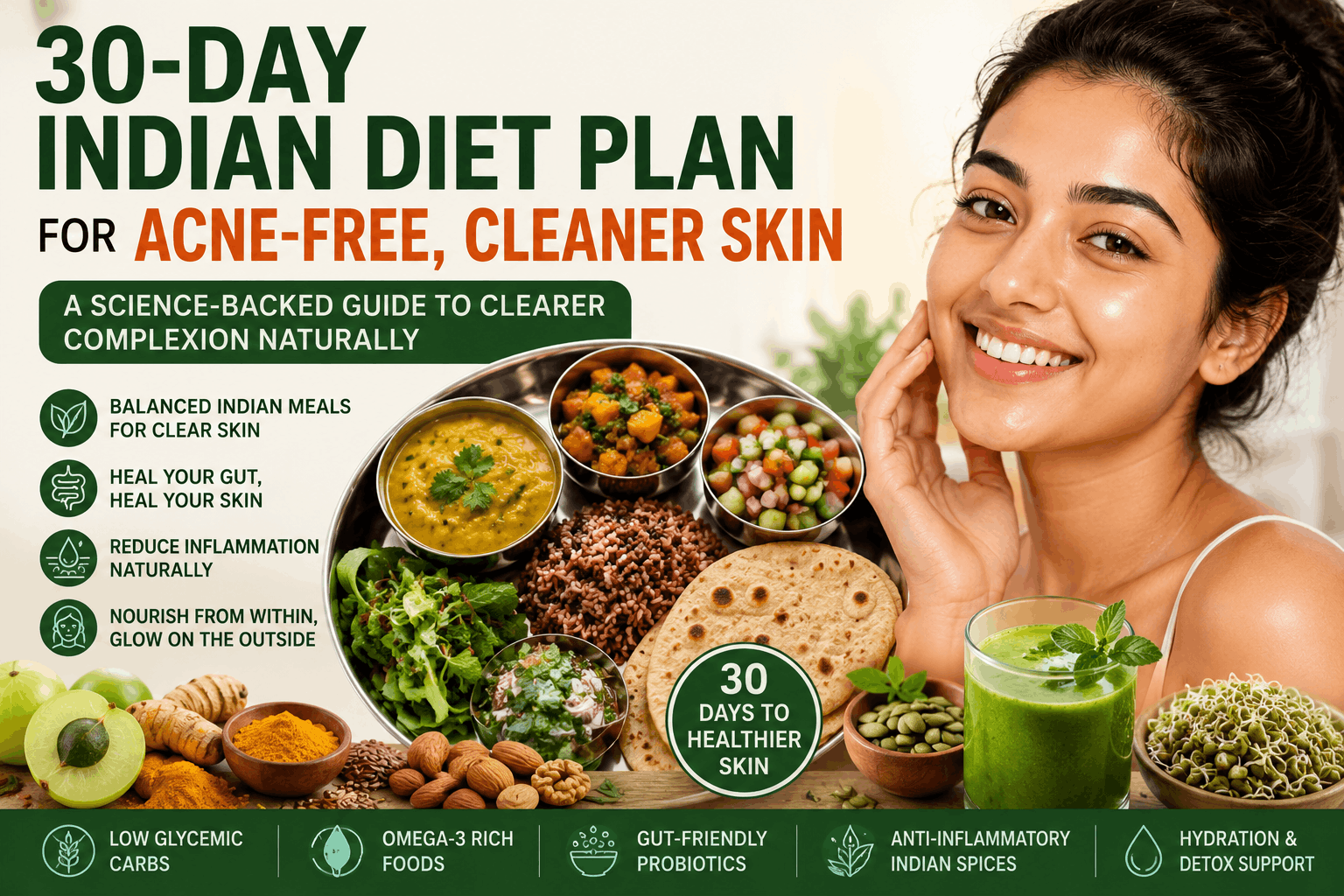
Admin If you have been battling persistent breakouts, uneven texture, or that dull, tired look that no expensive serum seems to fix, the answer may not be in your skincare cabinet—it is likely sitting on your dinner plate. For millions of Indians navigating humid climates, pollution, and stress-induced hormonal fluctuations, acne is not merely a teenage inconvenience but a recurring skin concern that often stretches well into adulthood. While topical treatments offer temporary relief, dermatological research increasingly confirms what traditional Indian wisdom has long suggested: the path to genuinely acne-free, cleaner skin begins from within, specifically through strategic dietary intervention.
For the Indian audience, this research carries particular urgency and relevance. Our traditional cuisine, when prepared mindfully, aligns closely with these acne-protective dietary patterns. However, the rapid urbanization of Indian eating habits—characterized by increased consumption of white rice, refined flour (maida), sugary beverages, deep-fried street food, and processed dairy—has created a nutritional environment that actively promotes skin inflammation. A comprehensive study published in the Journal of Clinical and Aesthetic Dermatology examining dietary factors among young adults explicitly noted that “dietary counseling is challenging, especially in India where a large amount of carbohydrates and dairy are staples in their diet” .
Check Previous Blog: Diet Dry Pepper: Why This Ignored Kitchen
Understanding the Science: How Diet Triggers or Tames Acne
Before diving into meal plans and recipes, it is essential to understand why certain foods cause breakouts while others prevent them. Acne vulgaris is fundamentally an inflammatory disease of the pilosebaceous unit—the skin structure containing hair follicles and oil glands. While genetics and hormones set the stage, diet acts as a powerful modulator that can either amplify or suppress the four primary acne triggers: excess sebum production, abnormal skin cell shedding, bacterial overgrowth, and inflammation.
The Glycemic Load Connection: Why White Rice Matters
One of the most significant dietary factors for acne-prone individuals, particularly in Asian populations, is the glycemic load (GL) of meals. When you consume high-glycemic foods—those that rapidly spike blood sugar levels—your body responds by releasing insulin and insulin-like growth factor-1 (IGF-1). These hormones stimulate androgen receptors and activate mammalian target of rapamycin complex 1 (mTORC1), which in turn triggers sebaceous glands to produce more oil and increases skin cell proliferation, leading to clogged pores .
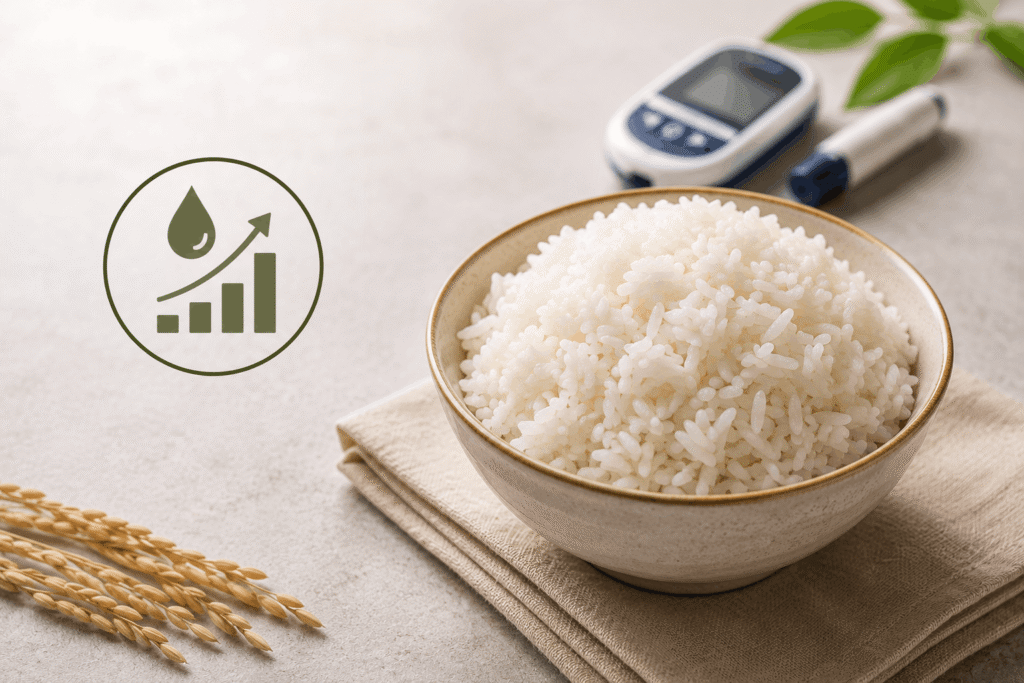
For Indians, this mechanism is critically important because white rice—a dietary staple consumed daily across the subcontinent—has a glycemic index of approximately 89 and an exceptionally high glycemic load of 83 per 150-gram serving . A landmark study involving 2,467 Thai participants found that individuals consuming two or more portions of white rice daily had a 1.8 times higher risk of experiencing severe acne compared to those who ate less . Conversely, the same study identified brown rice—a low-glycemic alternative with a GI of 50—as a protective factor, particularly for adolescents who appear more susceptible to diet-induced acne .
The Inflammation Cascade: Fried Foods and Dairy Dilemmas
Dietary fats influence acne through their impact on systemic inflammation. Not all fats are created equal—omega-6 fatty acids, prevalent in refined vegetable oils used extensively in Indian cooking, promote pro-inflammatory prostaglandins when consumed in excess. Meanwhile, omega-3 fatty acids exert anti-inflammatory effects that can suppress the cytokine production driving acne lesions . The Thai acne study confirmed that consuming oily and fried foods more than three times weekly increased acne severity risk by 84% . This is particularly relevant for Indian diets where deep-fried snacks (samosas, pakoras, vadas) and oil-heavy curries are commonplace.
The Gut-Skin Axis: Your Microbiome’s Role in Complexion Clarity
Perhaps the most transformative concept in modern dermatology is the gut-skin axis—the bidirectional communication pathway between your digestive system and your skin. A healthy gut microbiome produces short-chain fatty acids (SCFAs) like butyrate, which reinforce the skin barrier, regulate immune responses, and reduce systemic inflammation . Conversely, dysbiosis—an imbalance of gut bacteria—leads to increased intestinal permeability (“leaky gut”), allowing bacterial endotoxins and inflammatory compounds to enter the bloodstream and trigger skin inflammation .
Ayurvedic Insights: Ancient Wisdom Meets Modern Validation
Ayurveda, India’s 5,000-year-old healing system, has long identified diet as a primary determinant of skin health. The concept of Virudha Aahara (incompatible diet) describes how certain food combinations and improper eating habits generate Ama (toxins) that manifest as skin diseases including acne . While modern research is only beginning to validate these traditional frameworks, the underlying principles align remarkably with contemporary findings. For instance, Ayurveda cautions against combining milk with sour or fermented foods—a practice that modern science recognizes may disrupt digestion and promote inflammation in sensitive individuals .
The 30-Day Indian Anti-Acne Diet Plan: Week-by-Week Strategy
This plan is designed as a progressive transformation rather than an abrupt overhaul, allowing your body—and your taste buds—to adapt sustainably. Each week builds upon the previous, gradually eliminating acne-triggering foods while amplifying skin-healing nutrients.
Week 1: Foundation and Detoxification (Days 1–7)
The first week focuses on removing the “big three” acne aggravators from your daily routine: high-glycemic refined carbohydrates, excessive dairy, and deep-fried foods. This is not about deprivation but about creating space for healing foods to take center stage. You will likely experience some adjustment symptoms—mild cravings, changes in bowel habits—as your gut microbiome begins shifting away from sugar-loving pathogenic bacteria toward beneficial strains. This is a positive sign of internal recalibration.
Morning Ritual (Upon Waking):
Begin each day with warm lemon water or methi (fenugreek) water. Fenugreek seeds, soaked overnight and consumed on an empty stomach, have demonstrated remarkable effects on blood sugar regulation and hormonal balance—both critical for acne management. The soluble fiber in methi creates a gel-like substance in the digestive tract that slows glucose absorption and supports healthy bowel movements, facilitating the elimination of skin-irritating toxins .
Breakfast Strategy:
Replace refined breakfast options like white bread, sugary cereals, or fried parathas with protein and fiber-rich alternatives. A masala omelet using two whole eggs with turmeric, spinach, and tomatoes provides choline, vitamin A, and lycopene while keeping glycemic impact minimal. For vegetarians, a bowl of sprouted moong dal chaat with lemon juice, chopped onions, and a sprinkle of black salt offers living enzymes, plant protein, and vitamin C. Alternatively, ragi idli or multigrain dosa fermented overnight provides probiotics alongside complex carbohydrates that release glucose gradually.
Mid-Morning Hydration:
Consume fresh coconut water between breakfast and lunch. Unlike packaged fruit juices that deliver sugar bombs without fiber, coconut water provides natural electrolytes—potassium, magnesium, and manganese—that support cellular hydration and detoxification pathways without spiking insulin .
Lunch Composition:
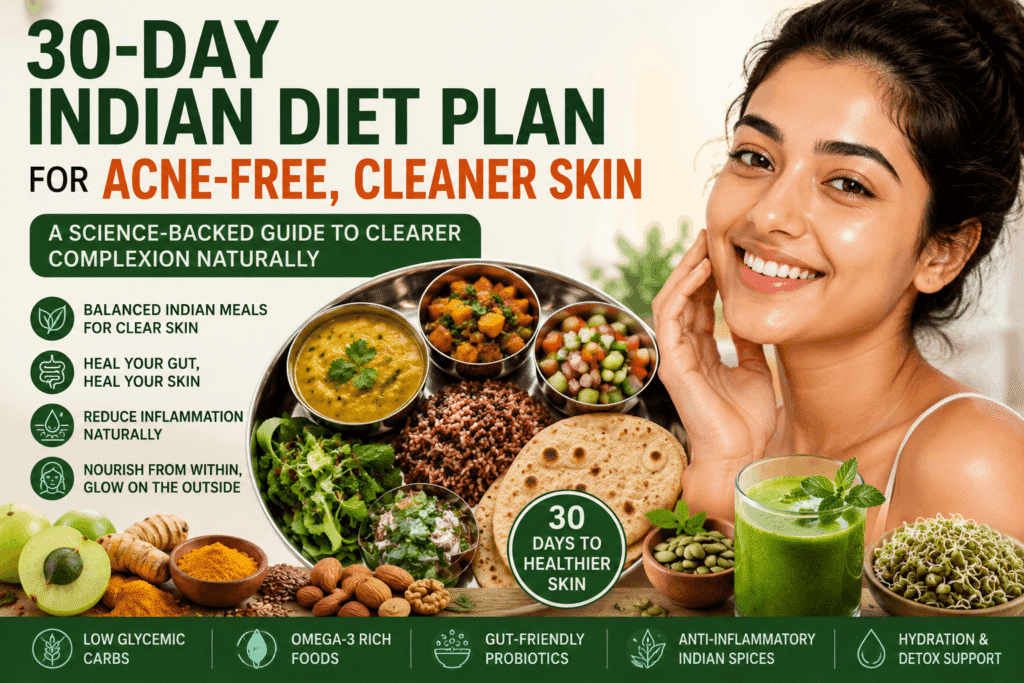
Structure your lunch around the dal-vegetable-roti/salad framework rather than the rice-heavy thali model. Use whole wheat roti or bajra/jowar roti instead of white rice as your carbohydrate source. Prepare dal using a mix of lentils (moong, masoor, toor) tempered with mustard seeds, curry leaves, and turmeric—the latter providing anti-inflammatory curcumin that actively suppresses acne-related inflammation . Fill half your plate with non-starchy vegetables like bhindi (okra), tori (ridge gourd), lauki (bottle gourd), palak (spinach), or methi leaves. These vegetables are low in glycemic load while delivering zinc, iron, and chlorophyll that support skin oxygenation and sebum regulation .
Afternoon Snack:
Avoid the 4 PM chai-biscuit trap. Instead, have a handful of soaked almonds (7–8) and walnuts (3–4). These nuts provide omega-3 fatty acids, zinc, and vitamin E—nutrients that combat inflammation, improve skin hydration, and accelerate healing of existing acne lesions . If you crave something savory, roasted makhana (fox nuts) seasoned with turmeric and black pepper offer a crunchy, satisfying alternative to fried chips.
Dinner Guidelines:
Keep dinner light and early (before 8 PM) to allow your digestive system to rest and repair overnight—a principle Ayurveda emphasizes and modern circadian biology confirms. A bowl of mixed vegetable soup with ginger and garlic, followed by a small portion of grilled fish or paneer tikka (if including dairy) with a side of cucumber-tomato raita using minimal curd, provides protein and probiotics without overloading your system. Alternatively, a sabzi made from karela (bitter gourd) stimulates liver detoxification—a traditional blood-purifying strategy that aligns with the need to reduce systemic toxin load affecting skin .
Evening Wind-Down:
One hour before bed, drink warm turmeric milk made with plant-based milk (oat or almond milk) or minimal dairy. This ritual delivers curcumin’s anti-inflammatory benefits while the warm liquid promotes relaxation and sleep quality—another underrated factor in skin regeneration.
Check Previous Blog: Moringa 1 Teaspoon Powder: Full Nutrition Facts,
Week 2: Anti-Inflammatory Amplification (Days 8–14)
With the foundational detox complete, week two intensifies the skin-healing potential of your diet by strategically incorporating foods that actively suppress inflammatory pathways while correcting the fatty acid imbalances common in modern Indian eating patterns.
Critical Dietary Shift:
The cooking oil you use daily is arguably the most underestimated factor in skin health. Most Indian households rely on refined sunflower, soybean, or cottonseed oils that are disproportionately high in omega-6 fatty acids. While omega-6s are essential, the typical Indian diet provides them in ratios of 20:1 or higher against omega-3s, whereas evolutionary optimal ratios hover around 4:1 or lower. This imbalance promotes chronic low-grade inflammation that manifests visibly on skin .
Protein Diversification:
Reduce dairy protein dependence by increasing plant-based and marine protein sources. If you are non-vegetarian, incorporate fatty fish like Indian salmon (rawas), mackerel (bangda), or sardines twice weekly. These provide pre-formed EPA and DHA omega-3s that directly suppress inflammatory cytokine production in skin . For vegetarians, increase sprouted legumes, tofu, and tempeh intake. Sprouting dramatically increases the bioavailability of zinc and reduces phytates that can inhibit mineral absorption—zinc being a critical nutrient for skin repair and immune regulation .
Hydration Protocol:
- Green tea (without milk or sugar): The Thai acne study identified sugar-free, milk-free tea as a protective factor reducing severe acne risk by nearly 40% . Green tea’s epigallocatechin gallate (EGCG) has been clinically proven to reduce acne lesions by modulating sebum production and bacterial growth .
- Cumin-coriander-fennel (CCF) tea: This traditional digestive tea reduces bloating, improves nutrient absorption, and provides gentle detoxification support.
- Warm water with soaked chia seeds: Chia delivers omega-3s while the gel-forming fiber stabilizes blood sugar.
Week 3: Hormonal Balance and Blood Sugar Mastery (Days 15–21).
By week three, you should notice preliminary skin improvements—reduced redness, fewer new breakouts, and a subtle “glow” indicating reduced systemic inflammation. This week targets the hormonal underpinnings of acne, particularly insulin resistance and androgen excess, which are especially relevant for women with polycystic ovary syndrome (PCOS) and men experiencing stress-related testosterone fluctuations.
The Glycemic Load Per Meal Rule:
Moving forward, no single meal should exceed a glycemic load of 20. This requires restructuring traditional Indian meal patterns. Instead of a large mound of rice with small sides of dal and sabzi, invert the proportions: half your plate should be non-starchy vegetables, one-quarter should be protein (dal, paneer, fish, or legumes), and one-quarter should be complex carbohydrates (brown rice, millet roti, or starchy vegetables like sweet potato).
When you do consume white rice—which is culturally inevitable during festivals or family gatherings—apply the “cooling and combining” strategy. Cook rice, refrigerate it for 12–24 hours, then reheat gently. This process increases resistant starch content by up to 2.5 times, effectively lowering the glycemic response by 25–30%. Always pair cooled rice with generous portions of dal and ghee; the protein and healthy fats further blunt glucose spikes .
Phytoestrogen Balance:
For women experiencing cyclical acne flare-ups related to menstrual hormonal shifts, incorporate flaxseeds (alsi) daily. Ground flaxseeds provide lignans—phytoestrogens that modulate estrogen metabolism and reduce androgen-driven sebum production. Add one tablespoon of freshly ground flaxseed to smoothies, raita, or sprinkle over salads. The omega-3 content provides additional anti-inflammatory benefits .
Stress-Adaptogen Integration:
Chronic cortisol elevation worsens acne by increasing insulin resistance and triggering inflammatory cytokines. Introduce Ashwagandha (Withania somnifera) as a powdered supplement (1 teaspoon in warm milk before bed) or as part of traditional chyawanprash. Clinical studies demonstrate Ashwagandha’s ability to reduce cortisol levels by 15–30% while improving sleep quality—both directly beneficial for skin regeneration .
Intermittent Fasting Consideration (Optional):
If your lifestyle permits, implement a 12:12 or 14:10 intermittent fasting window (eating only between 8 AM–8 PM or 10 AM–8 PM). Time-restricted eating improves insulin sensitivity, enhances autophagy (cellular cleanup processes that include skin cell turnover), and gives your gut extended rest periods. However, this is not recommended for individuals with eating disorders, pregnancy, or uncontrolled diabetes without medical supervision.
Week 4: Maintenance, Refinement, and Long-Term Clear Skin (Days 22–30)
The final week transitions from structured planning to intuitive eating within the established framework. By now, your gut microbiome has significantly shifted, your inflammatory markers have likely decreased, and your skin should demonstrate measurable improvement. This week focuses on personalization and sustainability.
The Reintroduction Protocol:
Systematically reintroduce previously eliminated foods one at a time to identify your unique triggers. Start with dairy—have a small portion of paneer or a glass of milk on day 22 and monitor your skin for 48–72 hours. If no new breakouts or inflammation occur, dairy may be tolerable for you in moderation. Next, test white rice in a controlled portion (half cup cooked) on day 25. Then evaluate fried foods (a single small serving) on day 28. Maintain a simple skin diary during this phase, photographing your face daily under consistent lighting to objectively assess reactions.
Micronutrient Optimization:
- Zinc (15–20 mg daily): Pumpkin seeds, sesame seeds (til), chickpeas (chana), and lentils. Zinc inhibits Cutibacterium acnes bacterial growth and reduces keratinocyte hyperproliferation that clogs pores .
- Vitamin A (700–900 mcg RAE): Carrots, sweet potatoes, spinach, and papaya. Vitamin A regulates skin cell turnover and prevents follicular plugging.
- Vitamin C (75–90 mg minimum, ideally 200+ mg): Amla, guava, oranges, bell peppers, and tomatoes. Essential for collagen synthesis and antioxidant protection .
- Selenium (55 mcg): Brazil nuts (just 2 nuts provide daily requirement), sunflower seeds, and brown rice. Selenium supports glutathione peroxidase, a master antioxidant enzyme.
- Omega-3 (1–2 grams EPA+DHA or 2–3 grams ALA): Fatty fish, flaxseeds, walnuts, and chia seeds .
Social Eating Strategies:
- Pre-eat before events: Have a protein-rich snack (sprouts, nuts, or a boiled egg) to reduce hunger-driven poor choices.
- Buffet navigation: Fill half your plate with vegetable salads or raita first, then add small portions of grilled proteins, and minimize gravy-laden dishes that hide excessive oil.
- The “three-bite rule” for desserts: If you must indulge in a wedding sweet, take three mindful bites and stop. This satisfies the psychological craving without delivering a glycemic blow.
- Chaas over soda: At every social occasion, choose buttermilk over sugary beverages. It aids digestion, provides probiotics, and signals to hosts that you are participating without compromising your protocol.
Sleep and Circadian Synchronization:
Diet alone cannot maximize skin potential without adequate sleep. During this final week, cement a 10:30 PM bedtime routine. Growth hormone peaks during deep sleep stages, driving cellular repair including skin regeneration. Melatonin, produced in darkness, is a potent antioxidant that protects skin cells from oxidative damage. Avoid blue light exposure (phones, laptops) one hour before bed, and consider a small cup of warm turmeric-ginger milk as a sleep-promoting, skin-healing nightcap.

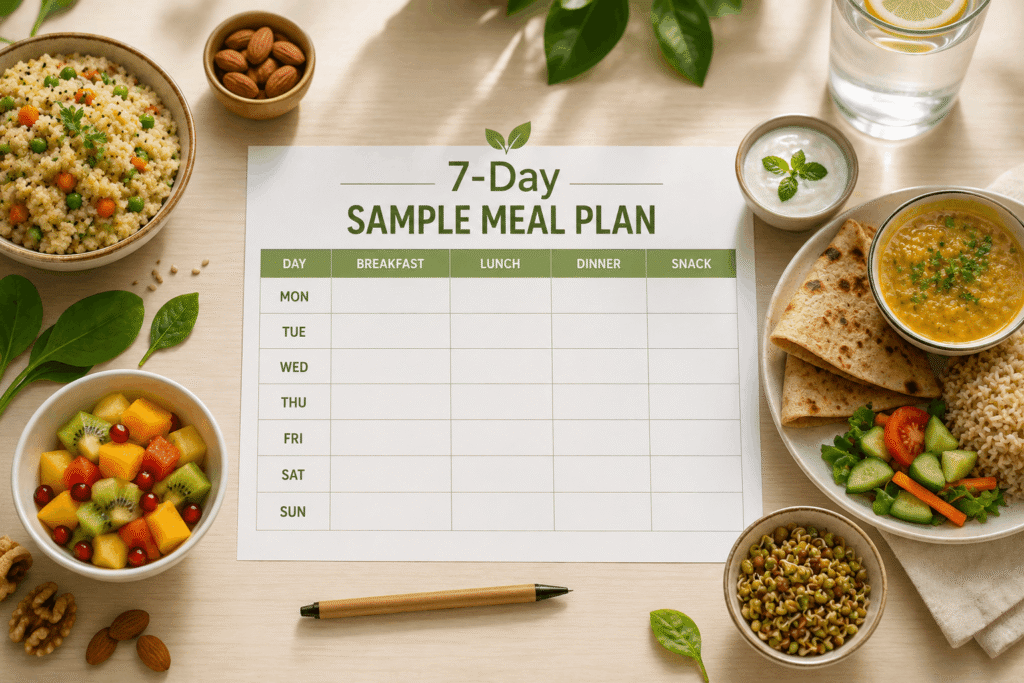
Detailed 7-Day Sample Meal Plan (Repeatable Across Weeks)
To operationalize the above principles, here is a concrete, practical meal plan using commonly available Indian ingredients. Repeat this structure with variations across your 30-day journey.
Day 1 Sample
Morning (6:30 AM): Warm methi water (1 tsp soaked overnight) + 5 soaked almonds
Breakfast (8:00 AM): Masala omelet (2 eggs) with spinach, onions, and turmeric + 1 small multigrain roti OR Sprouted moong chaat with lemon, coriander, and black salt
Mid-Morning (10:30 AM): Fresh coconut water (1 tender coconut)
Lunch (1:00 PM): 1 bowl mixed dal (moong + masoor) with turmeric tempering + 1 katori lauki sabzi + 2 bajra rotis + cucumber-tomato salad with lemon juice
Afternoon Snack (4:00 PM): Green tea (no sugar/milk) + handful of walnuts and pumpkin seeds
Dinner (7:30 PM): Grilled paneer tikka (100g) with bell peppers and onions OR Grilled fish (150g) + 1 small bowl palak soup + 1 small jowar roti
Bedtime (9:30 PM): Warm turmeric milk (using almond milk or 50ml cow’s milk with water)
Day 2 Sample
Morning: Warm lemon water with pinch of black salt
Breakfast: Ragi idli (2) with coconut chutney + sambar (vegetable-heavy, minimal oil)
Mid-Morning: Amla juice (30ml diluted in water) or 1 fresh amla fruit
Lunch: Rajma (kidney bean) curry with onion-tomato masala (minimal oil) + 1 katori bhindi sabzi + 1 small bowl brown rice (cooled and reheated) + mixed green salad
Afternoon Snack: Roasted makhana (1 cup) with turmeric and black pepper + buttermilk (chaas with cumin and mint)
Dinner: Methi thepla (1) with bowl of mixed vegetable soup (carrot, beans, cabbage, ginger) + small portion of sprouted chana chaat
Bedtime: CCF tea (cumin-coriander-fennel) + 1 tsp flaxseed powder in warm water
Day 3 Sample
Morning: Warm water with soaked chia seeds (1 tbsp)
Breakfast: Overnight oats made with rolled oats, almond milk, chopped walnuts, flaxseed, and cinnamon + 1 small apple
Mid-Morning: Green tea or herbal tea (tulsi-ginger)
Lunch: Chana dal with lauki + tori sabzi + 2 whole wheat rotis (small) + beetroot-carrot salad
Afternoon Snack: Sprouted moong or matki (moth beans) with lemon and chili powder
Dinner: Stir-fried karela with onions and minimal mustard oil + small bowl of dal + 1 small ragi roti
Bedtime: Warm water with 1 tsp Ashwagandha powder in oat milk
Day 4 Sample
Morning: Warm methi water
Breakfast: Besan (gram flour) chilla with grated vegetables (carrot, cabbage, onion) + mint chutney
Mid-Morning: Coconut water
Lunch: Sambar (heavy on vegetables like drumstick, pumpkin, carrots) + 1 small bowl brown rice + cucumber pachadi (raita) + stir-fried beans
Afternoon Snack: Handful of soaked almonds and walnuts + green tea
Dinner: Grilled chicken breast or tofu (150g) with turmeric and yogurt marinade + mixed green salad with olive oil-lemon dressing + 1 small bajra roti
Bedtime: Turmeric-ginger warm milk (plant-based)
Day 5 Sample
Morning: Warm lemon water
Breakfast: Poha (flattened rice) made with peanuts, peas, turmeric, and minimal oil + 1 glass buttermilk
Mid-Morning: Fresh seasonal fruit (papaya or guava—vitamin C rich)
Lunch: Mixed vegetable dal (lauki, pumpkin, tomato) + palak sabzi + 2 jowar rotis + onion-tomato salad
Afternoon Snack: Roasted chana (black chickpeas) with skin + green tea
Dinner: Bottle gourd (lauki) soup with ginger and garlic + small portion of grilled fish or paneer + 1 small multigrain roti
Bedtime: CCF tea + 1 tsp ground flaxseed
Day 6 Sample
Morning: Warm water with soaked chia seeds
Breakfast: Moong dal cheela with stuffed paneer (minimal) or vegetable stuffing + green chutney
Mid-Morning: Amla juice or 2 fresh amlas
Lunch: Black-eyed peas (lobia) curry + karela sabzi + 1 small bowl brown rice + cabbage salad
Afternoon Snack: Pumpkin seeds (1 tbsp) and sunflower seeds (1 tbsp) + buttermilk
Dinner: Mixed vegetable stew (carrots, beans, peas, cauliflower) with minimal oil + 1 small ragi roti + bowl of cucumber raita (minimal curd)
Bedtime: Warm turmeric milk
Day 7 Sample
Morning: Warm methi water
Breakfast: Upma made with semolina (sooji) but loaded with vegetables (carrots, beans, peas, onions) and minimal oil + 1 glass coconut water
Mid-Morning: Seasonal fruit (watermelon or muskmelon—hydrating)
Lunch: Toor dal with spinach + bhindi sabzi + 2 bajra rotis + beetroot salad
Afternoon Snack: Handful of mixed nuts (almonds, walnuts, pistachios) + green tea
Dinner: Grilled vegetables (zucchini, bell peppers, onions) with hung curd dip (minimal) OR Chicken tikka (grilled, not fried) + small bowl of dal soup
Bedtime: Ashwagandha in warm oat milk or water
Foods to Embrace: Your Indian Clear-Skin Grocery List
Proteins: Moong dal, masoor dal, toor dal, chana dal, rajma, lobia, sprouted legumes, eggs, fatty fish (salmon, mackerel, sardines), chicken breast, tofu, tempeh, paneer (minimal, A2 if possible)
Vegetables (Non-Starchy Priority): Spinach (palak), fenugreek leaves (methi), amaranth (bathua), bottle gourd (lauki), ridge gourd (tori), bitter gourd (karela), okra (bhindi), cabbage, cauliflower, carrots, bell peppers, tomatoes, cucumber, pumpkin, drumstick
Healthy Fats: Cold-pressed mustard oil, cold-pressed coconut oil, extra virgin olive oil, flaxseed oil, ghee (minimal, for flavor and fat-soluble vitamins), avocado (when available)
Nuts and Seeds: Almonds (soaked), walnuts, pumpkin seeds, sunflower seeds, flaxseeds (ground fresh), chia seeds, sesame seeds (til)
Spices and Herbs: Turmeric, ginger, garlic, cinnamon, fenugreek seeds, cumin, coriander, fennel, black pepper, curry leaves, mint, tulsi
Lifestyle Synergies: Diet Works Best With These Habits
Stress Management: Chronic stress exacerbates acne through multiple hormonal pathways. Integrate 10–15 minutes of daily yoga, pranayama, or meditation. The Thai study identified stress as aggravating acne in nearly 60% of participants .
Exercise: Moderate physical activity improves insulin sensitivity and reduces inflammation. However, shower immediately after sweating to prevent pore clogging from perspiration and bacteria.
Skincare Simplicity: Support your internal efforts with gentle external care—non-comedogenic cleansers, minimal makeup, and sunscreen. Avoid harsh scrubs that damage the skin barrier and trigger compensatory oil production.
Hydration Consistency: Beyond water, herbal teas and coconut water provide electrolytes without sugar. The Thai study found that drinking more than 8 glasses of water daily was associated with reduced acne severity .
Expected Timeline and Managing Expectations
Days 1–7: You may experience initial breakouts as your body detoxifies. This is temporary and indicates that underlying congestion is being addressed. Focus on consistency rather than immediate visual results.
Days 8–14: Reduced inflammation becomes noticeable—existing pimples heal faster, redness decreases, and new breakouts should diminish in frequency and severity.
Days 15–21: Skin texture improves, oiliness balances, and a natural “glow” emerges from reduced internal inflammation and improved hydration.
Days 22–30: Clearer skin stabilizes. You should see significant reduction in active acne, faster healing of marks, and improved overall complexion. Post-inflammatory hyperpigmentation (dark spots) will begin fading but requires 2–3 months for full resolution.
Beyond 30 Days: This is not a temporary cleanse but a sustainable lifestyle. Continue the core principles while personalizing based on your reintroduction experiences. Many individuals find that maintaining 80% compliance with these guidelines while allowing 20% flexibility for social occasions provides the best long-term adherence and results.
Conclusion: Your Journey to Acne-Free, Cleaner Skin Starts With Intention
Achieving acne-free, cleaner skin in thirty days through dietary intervention is not a myth or a marketing gimmick—it is a biochemically sound strategy rooted in robust scientific evidence and validated by traditional Indian nutritional wisdom. The research is unequivocal: populations consuming low-glycemic, anti-inflammatory, gut-supportive diets exhibit dramatically lower acne prevalence, while the adoption of Westernized, processed, high-glycemic eating patterns correlates directly with increased severity and incidence .
For the Indian audience, this represents both a challenge and an unparalleled opportunity. The challenge lies in navigating a food environment increasingly saturated with refined carbohydrates, processed dairy, and inflammatory oils. The opportunity resides in India’s extraordinary culinary heritage—a treasure trove of skin-healing spices, fiber-rich legumes, antioxidant-dense fruits, and fermented foods that have supported health for millennia.

 Admin
Admin
[…] Check another blog: The 30-Day Indian Diet Plan for Acne […]
[…] Check Previous Blog: The 30-Day Indian Diet Plan for Acne-Free […]
[…] Check Previous Blog: The 30-Day Indian Diet Plan for Acne-Free […]