 Admin
Admin In a country as diverse as India, food is more than just fuel—it’s culture, tradition, and daily comfort. But beyond taste and tradition, there’s a deeper question many people are now asking: how does nutrition actually work, and how can you use it to improve your health?
Understanding how nutrition works is the first step toward making smarter food choices. Whether your goal is better energy, clearer skin, weight management, or disease prevention, everything starts with what you eat—and how your body uses it.
This detailed guide breaks down how nutrition functions in your body, how Indian diets can meet your needs, and how to create a balanced, sustainable eating routine.
What Is Nutrition and How Does It Work?
Nutrition is the process by which your body takes in food, breaks it down, absorbs nutrients, and uses them to maintain health.
How the process works step by step:
- Ingestion (Eating Food)
You consume food that contains macronutrients (carbs, proteins, fats) and micronutrients (vitamins and minerals). - Digestion (Breaking It Down)
Food is broken down in your stomach and intestines into smaller components like glucose, amino acids, and fatty acids. - Absorption (Entering the Bloodstream)
Nutrients are absorbed through the small intestine into the bloodstream. - Utilization (Used by Cells)
These nutrients are transported to different parts of the body where they are used for energy, repair, and growth. - Excretion (Waste Removal)
Unused materials are eliminated from the body.
👉 In simple terms, nutrition is how your body converts food into energy and building blocks for life.
Why Understanding How Nutrition Works Is Important
Many health problems in India—like diabetes, obesity, anemia, and fatigue—are directly linked to poor nutrition habits.
Here’s why knowing “how” matters:
- You make better food choices
When you understand how nutrients affect your body, you stop eating blindly. - You prevent deficiencies
Knowledge helps you include all essential nutrients in your diet. - You improve long-term health
Balanced nutrition reduces the risk of chronic diseases. - You save money on healthcare
Prevention through diet is far cheaper than treatment.
How Macronutrients Work in Your Body
Macronutrients are required in large amounts and provide energy.
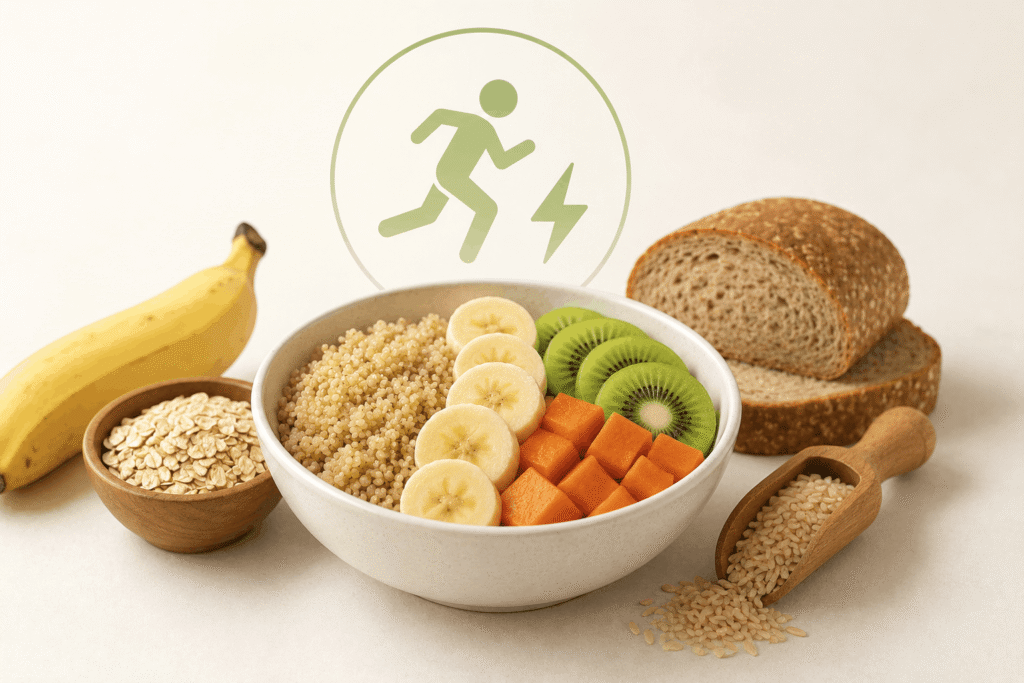
1. Carbohydrates – Your Body’s Primary Fuel
Carbohydrates are broken down into glucose, which fuels your brain and muscles.
How they work:
- Provide instant energy
- Support brain function
- Help maintain physical activity levels
Indian food sources:
- Rice, roti, poha, upma
- Fruits like bananas and mangoes
Important insight:
Not all carbs are equal. Complex carbs (like whole grains) release energy slowly, while refined carbs (like white bread) cause sugar spikes.
2. Proteins – Building and Repairing Tissues
Proteins are broken into amino acids, which repair tissues and build muscles.
How they work:
- Repair damaged cells
- Support muscle growth
- Help produce enzymes and hormones
Indian food sources:
- Dal, rajma, chana
- Paneer, milk, curd
- Eggs and chicken
Common mistake in India:
Many diets lack enough protein, leading to weakness and slow recovery.
3. Fats – Essential for Hormones and Brain Health
Fats are often misunderstood but are vital for overall health.
How they work:
- Support hormone production
- Help absorb vitamins A, D, E, K
- Provide long-lasting energy
Healthy Indian sources:
- Ghee (in moderation)
- Coconut, mustard oil
- Nuts and seeds
Key point:
Avoid trans fats and excessive fried food, but don’t eliminate healthy fats completely.
How Micronutrients Support Your Body
Micronutrients are needed in smaller amounts but are equally important.
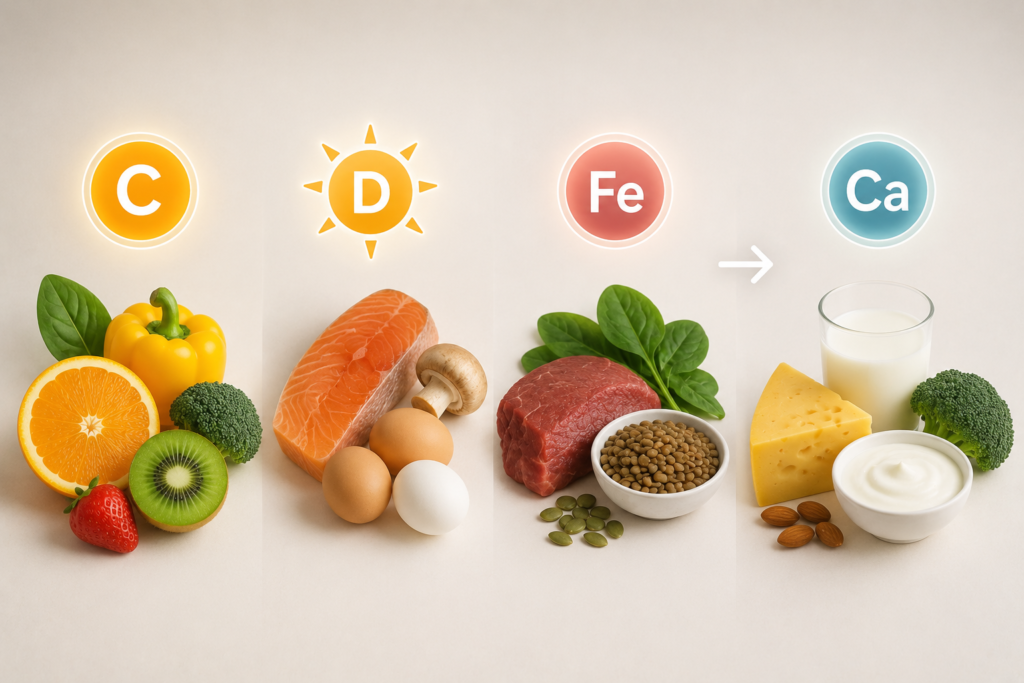
Vitamins and Minerals: How they function
- Vitamin C → Boosts immunity and skin health
- Vitamin D → Helps absorb calcium and supports bones
- Iron → Carries oxygen in the blood
- Calcium → Strengthens bones and teeth
How they work together:
Micronutrients act like helpers that enable your body to function smoothly. Without them, even energy production slows down.
How Nutrition Affects Energy, Skin, and Immunity
Your daily food choices directly impact how you feel and look.
1. Energy Levels
If you often feel tired, your diet may lack:
- Iron
- B vitamins
- Adequate calories
Balanced meals help maintain steady energy throughout the day.
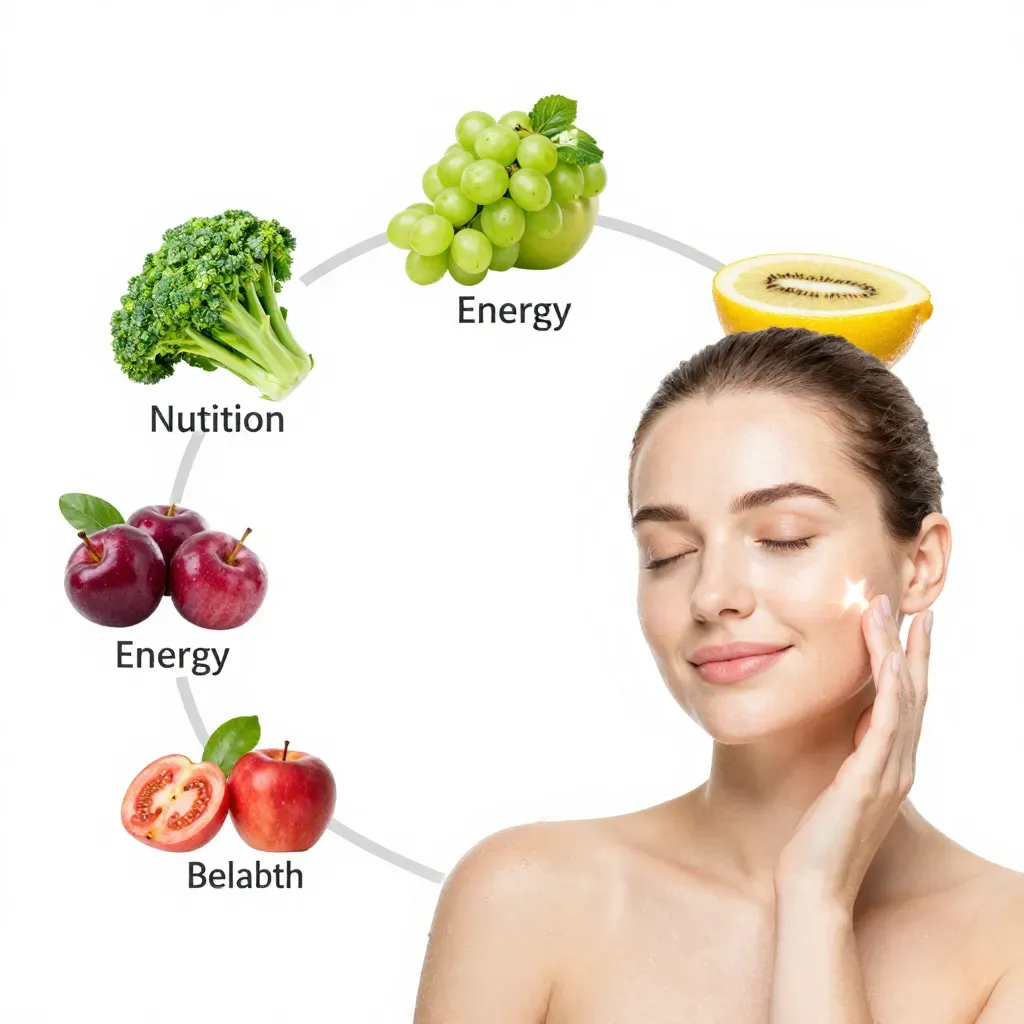
2. Skin Health
Nutrition plays a major role in skin quality.
How it works:
- Antioxidants fight damage
- Healthy fats keep skin hydrated
- Vitamins support collagen production
Poor diet often leads to acne, dullness, and premature aging.
3. Immunity
Your immune system depends heavily on nutrition.
Key nutrients:
- Vitamin C (amla, citrus fruits)
- Zinc (nuts, seeds)
- Protein (dal, eggs)
A strong diet reduces frequent illness.
How Indian Diets Can Be Balanced Easily
Indian food already has everything needed for good nutrition—it just needs proper balance.
Ideal Balanced Plate (Indian Style):
- 50% vegetables and salad
- 25% whole grains (roti, rice)
- 25% protein (dal, paneer, eggs)
- Small portion of healthy fats
Example Daily Diet Plan:
Morning:
- Warm water + soaked almonds
- Fruit like papaya or banana
Breakfast:
- Vegetable poha or oats
- Add curd or eggs
Lunch:
- 2 roti + dal + sabzi + salad + curd
Evening:
- Green tea + roasted chana
Dinner:
- Light khichdi or vegetable soup
👉 This simple structure ensures your body gets all nutrients.
Common Nutrition Mistakes in India
Even with good food availability, certain habits reduce nutrition quality.
Avoid these mistakes:
- Overeating refined carbs
Too much white rice and maida leads to imbalances. - Ignoring protein intake
Leads to muscle loss and fatigue. - Skipping fruits and vegetables
Causes vitamin deficiencies. - Drinking less water
Affects digestion and nutrient absorption. - Relying on packaged food
High in calories but low in nutrients.
How to Improve Your Nutrition Step by Step
Improving your diet doesn’t require drastic changes. Small steps make a big difference.
Practical strategies:
- Start with one healthy meal daily
Focus on improving breakfast or lunch first. - Add, don’t remove
Instead of cutting foods, add more vegetables and protein. - Plan your meals
Avoid last-minute unhealthy choices. - Eat seasonal and local foods
They are fresher, cheaper, and more nutritious. - Stay consistent
Results come from daily habits, not occasional efforts.
How Gut Health Impacts Nutrition
Your gut is where nutrient absorption happens. If your gut is unhealthy, even the best diet won’t work.
How to improve gut health:
- Eat probiotic foods like curd and buttermilk
- Include fiber (vegetables, fruits, whole grains)
- Avoid excess sugar and processed food
A healthy gut ensures your body fully benefits from what you eat.
Are Supplements Necessary?
While food should always be your primary source of nutrients, supplements may help in specific cases:
- Vitamin B12 deficiency (common in vegetarians)
- Vitamin D deficiency
- Pregnancy or medical conditions
Always consult a healthcare professional before taking supplements.
Final Thoughts
Understanding how nutrition works gives you control over your health. It’s not about strict diets or expensive superfoods—it’s about making smart, consistent choices with the food you already have.

 Admin
Admin