 Admin
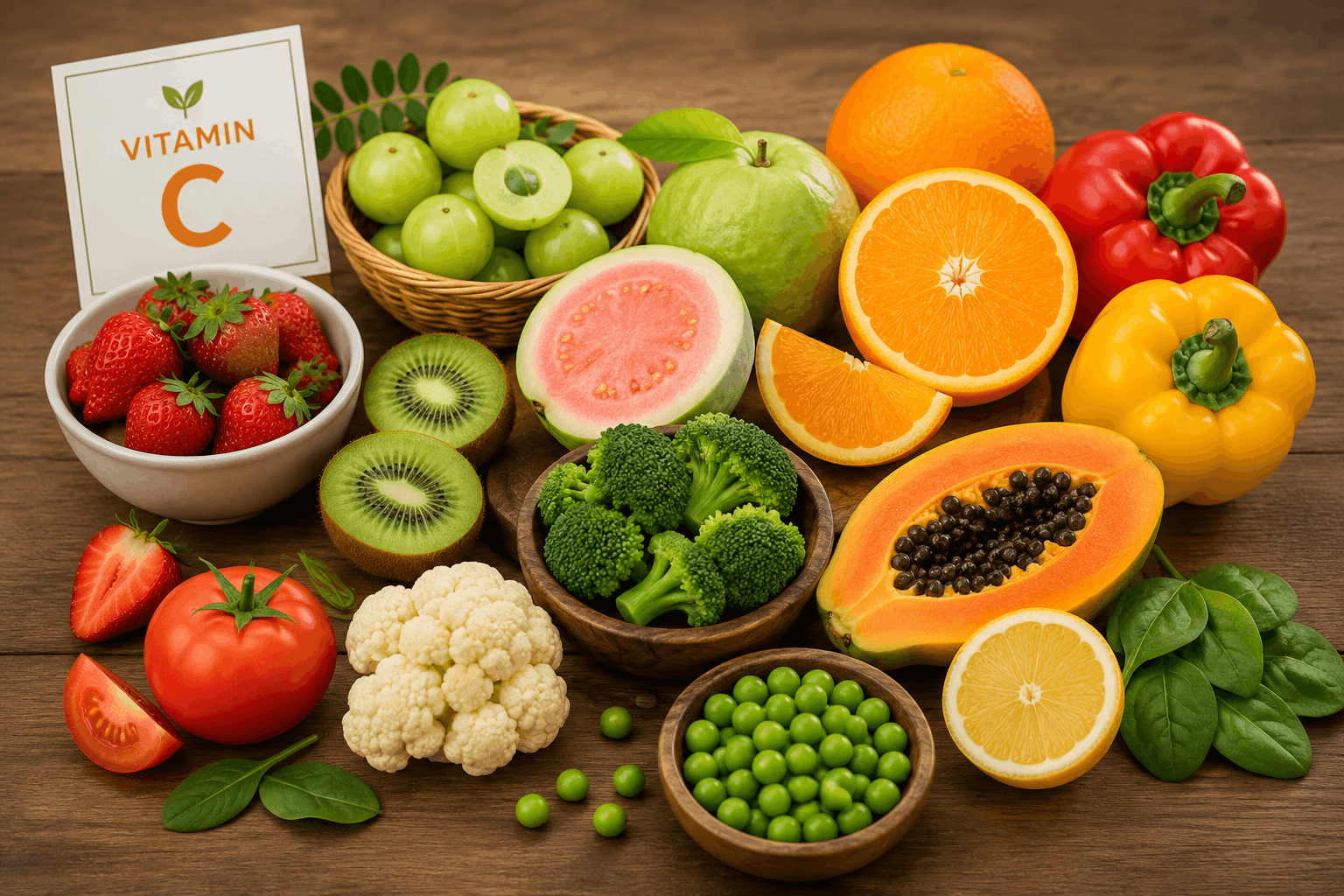
Admin Vitamin C foods are one of the first things people reach for the moment the weather shifts or festival season throws their eating schedule out the window — and honestly, that instinct isn’t wrong. This nutrient matters for your immune system, it matters for your skin, and unlike a lot of trending “superfoods,” you don’t need to hunt it down in a specialty store. Walk into any local sabzi mandi or fruit cart in India and you’re already standing next to some of the richest natural sources of vitamin C on the planet.
Vitamin C isn’t just the thing you reach for when you feel a cold coming on — it’s quietly involved in your immunity, your skin, and how well your body heals itself. And the good news for anyone cooking in an Indian kitchen is that the best sources — amla, guava, lemon, bell peppers — are already cheap, seasonal, and probably sitting in your fridge or the nearest fruit cart right now. A few small habits — eating things fresh, not overcooking your vegetables, rotating these 15 foods through your week — go a long way, no supplement bottle required.
What Vitamin C Actually Does in the Body
Vitamin C, or ascorbic acid if you want to get technical, is water-soluble — meaning your body can’t stockpile it for later and can’t manufacture it on its own either. So it has to come from what you eat, every single day, more or less. It works to fight oxidation damage, Protect your cells against harm, Assist in collagen development – hey there, skin and joints!, Speed up healing of wounds, and – did you know – Assist your body to absorb iron in plants like lentils or spinach. Without adequate vitamin C for some time, you might start to see some small, unsaid evidence, like the fact that cuts take a bit longer to heal, skin is a little more coarse and you just aren’t quite bursting with energy.
So How Much Do You Actually Need?
A typical daily number for a healthy adult appears a little something similar to:
- Men: around 90 mg
- Women: around 75 mg
- Pregnant or breastfeeding women usually need a little extra
Now here’s the comforting information, one medium amla or one guava is enough to fulfil more than half of the requirement all in one go. You may have to consume a little more in cases of smoking or if you’re in the midst of a stressful time, because vitamin c gets utilized faster at these points.
Quick Comparison: Approximate Vitamin C Content (per 100g)
| Food | Approx. Vitamin C |
| Amla (Indian Gooseberry) | 400–600 mg |
| Guava | 200–230 mg |
| Red Bell Pepper | 120–150 mg |
| Kiwi | 90–95 mg |
| Broccoli | 85–90 mg |
| Papaya | 60–62 mg |
| Strawberry | 55–60 mg |
| Orange | 50–55 mg |
| Cauliflower | 45–48 mg |
| Lemon | 40–50 mg |
| Pineapple | 45–48 mg |
| Raw Mango | 40–45 mg |
| Green Peas | 35–40 mg |
| Spinach | 25–28 mg |
| Tomato | 20–25 mg |
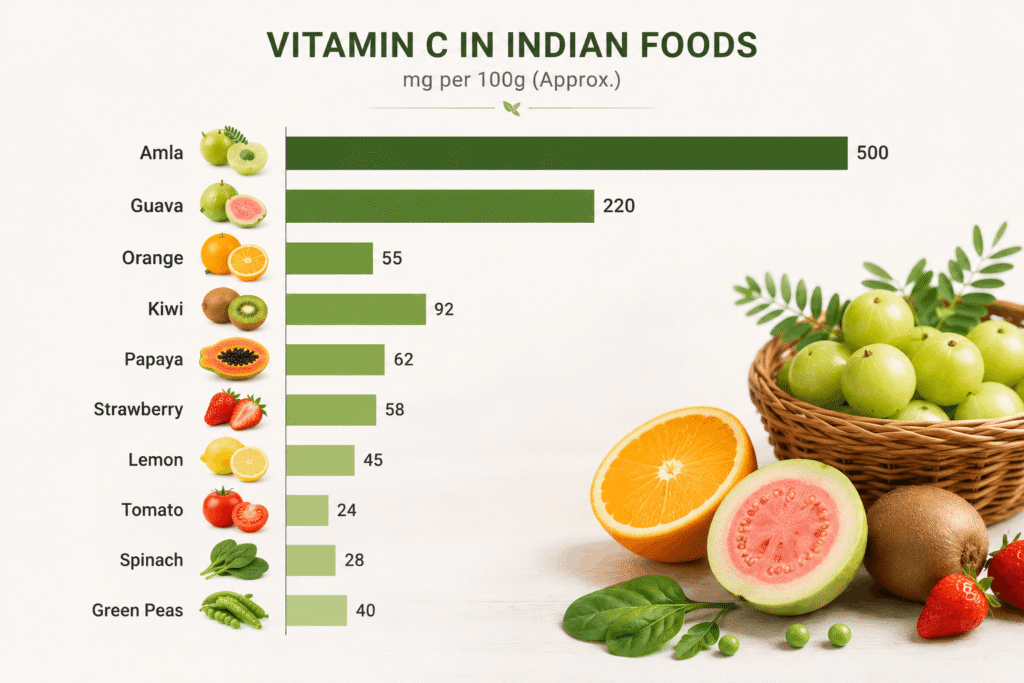
So, take these as a very, very rough guide (obviously, the exact figure is going to change slightly if the fruits are very ripe, very young, or have been sat on the shelf for weeks), and as a guide to how the patterns compare with one another rather than taking readings in a science class.
15 Vitamin C Foods Worth Adding to Your Plate
1. Amla (Indian Gooseberry)
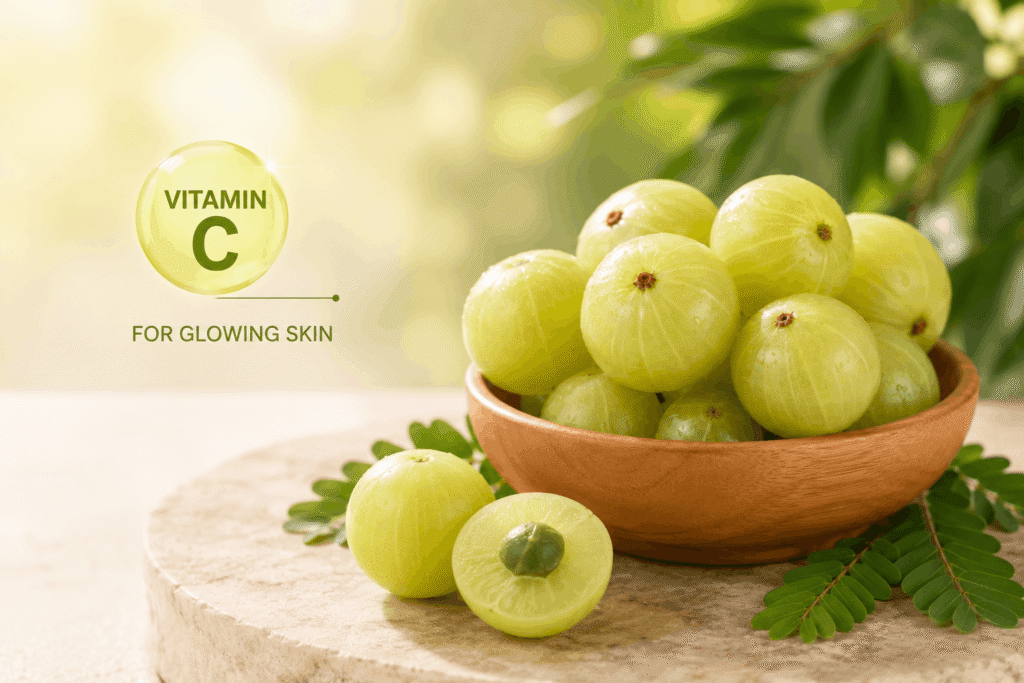
If vitamin C had a mascot, it would probably be amla. One small fruit can outdo an orange several times over, which is honestly a little wild when you think about it. Ayurveda has been championing it forever for hair and digestion, and there’s real substance behind that reputation. Eat it raw, pickled, as murabba, or blended into juice — a lot of people swear by having one first thing in the morning.
2. Guava
This one doesn’t get nearly enough credit. A good winter guava often beats an orange on vitamin C content, especially if you eat it skin and all. It’s also got a decent fibre punch, which helps with digestion and keeping blood sugar steadier. A guava with a sprinkle of chaat masala is genuinely one of the better evening snacks out there.
3. Orange
The classic, for good reason. Juicy, hydrating, and easy to just grab and eat. One small tip though — eat the fruit itself rather than just drinking the juice, since you lose the fibre that way and the sugar hits you faster.
4. Lemon
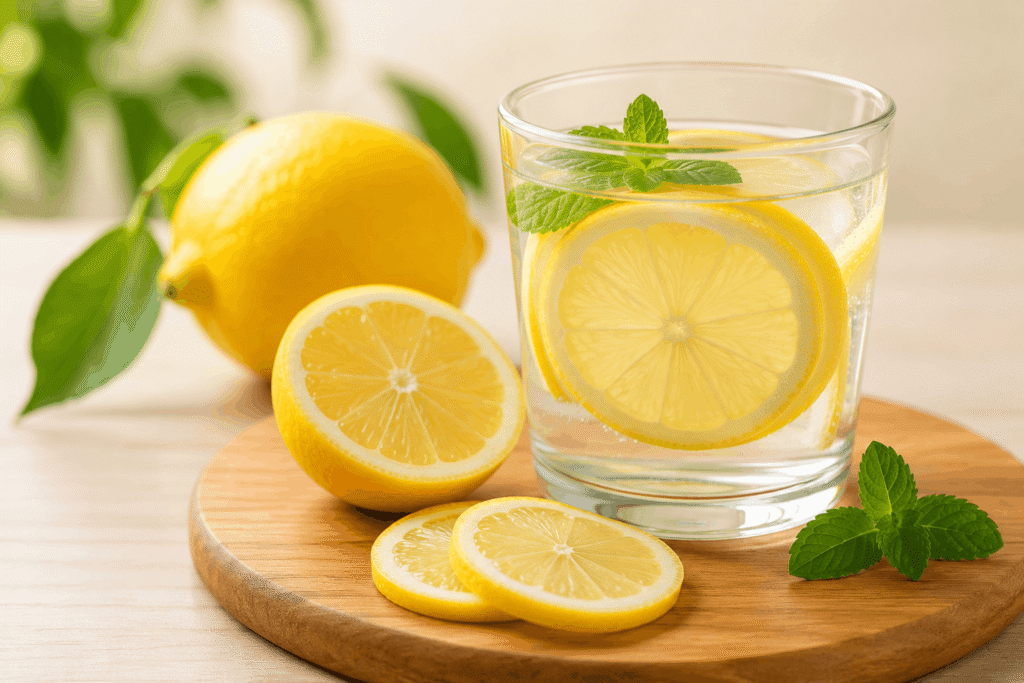
That morning ritual of warm water with lemon isn’t just a habit passed down — it actually does something. Helps with your digestion and is a massive source of vitamin C. If even a squeeze on your lunch’s dal or salad would cut the mustard to add another helping then we’re talking the same language.
5. Kiwi
Small fruit, huge reward. Just like other antioxidant-rich fruits (and also thanks to its Vitamin C boost!), a couple of kiwi slices added to your breakfast bowl and smoothie works wonders for your skin and immune system without you even really tasting it.
6. Papaya
We often hear about papaya’s digestive properties because of the papain enzyme present in it, but it also boasts of an amazing vitamin C punch. Many health conscious people love to gorge on raw papaya as a part of light breakfasts to make for a non-heavy yet nourishing meal.
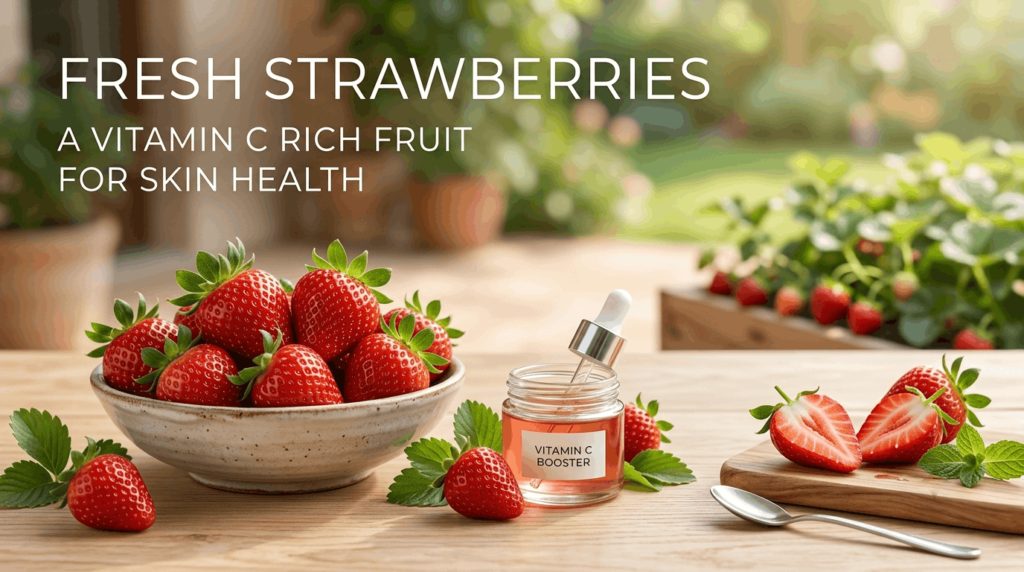
7. Strawberry
Sure, strawberries look appealing on a plate, but they also have plenty of vitamin C as well as the “right” kinds of antioxidants in them. Whether in a smoothie, salad, or straight out of the container-we aren’t arguing.
8. Capsicum / Bell Pepper (Shimla Mirch)
This one throws people off every time — a red bell pepper actually has more vitamin C than an orange. It’s also ridiculously versatile: salads, stir-fries, sandwiches, or just tossed into your regular sabzi.
9. Broccoli
Broccoli may be just considered as ‘a diet’ food by many but you’d definitely get here with these – from Vitamin C, fiber to everything else. Don’t over boil, a gentle steam or a quick sauté are better if you don’t want the nutrients washed away with the water.
10. Tomato
This is probably the least glamorous item in the list, but most Indians have tomatoes in their kitchen already, and so this makes for a good everyday ingredient. Eating raw (e.g. In a salad) is better if you want to retain the most Vitamin C than having it cooked away for a good hour or more in a curry.
11. Spinach (Palak)
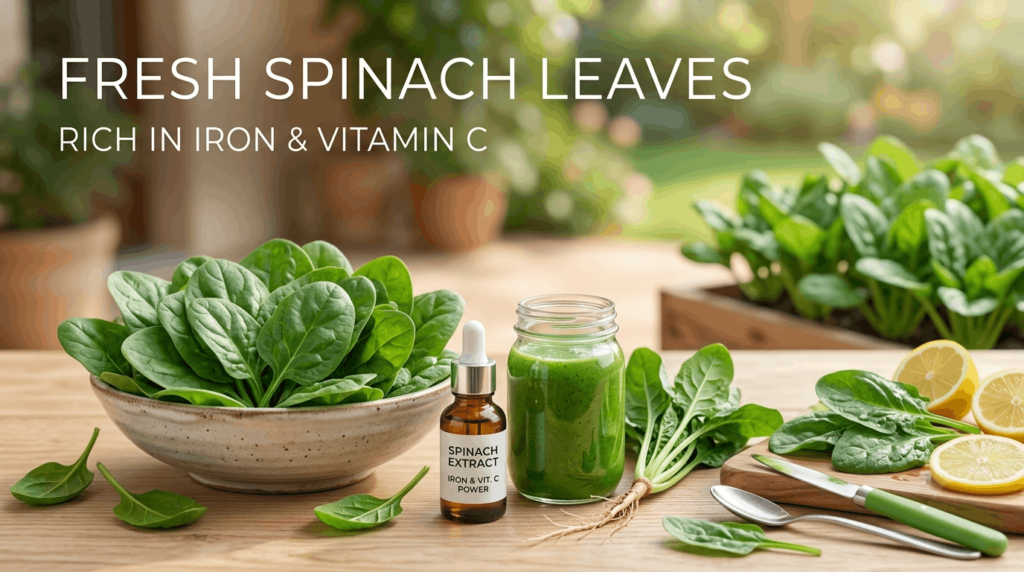
Everyone knows palak for iron, but it’s quietly got vitamin C too — and that combination is genuinely useful, since vitamin C helps your body absorb that iron better. A quick sauté, or even raw in a salad, works better than a long simmer.
12. Cauliflower (Phool Gobi)
Lots of homes include Gobi sabzi every week. Plus it has a decent amount of Vitamin C. But don’t go too soft; roasting or quickly stir-frying is the way to go.
13. Pineapple
Not only vitamin C, pineapple comes with bromelain, a digestive aid that could even help to minimize inflammation a tiny bit. Good in a fruit bowl, juice, or tossed into a hot and tangy chaat.
14. Raw Mango (Kaccha Aam)
It’s no exaggeration to say that summer is synonymous with raw mangoes in India, not just because they taste delicious but because they are also an excellent source of vitamin C. This aam panna – the age-old raw mango drink – does much more than cool us down and keeps heat stroke away during peak summer.
15. Green Peas (Matar)
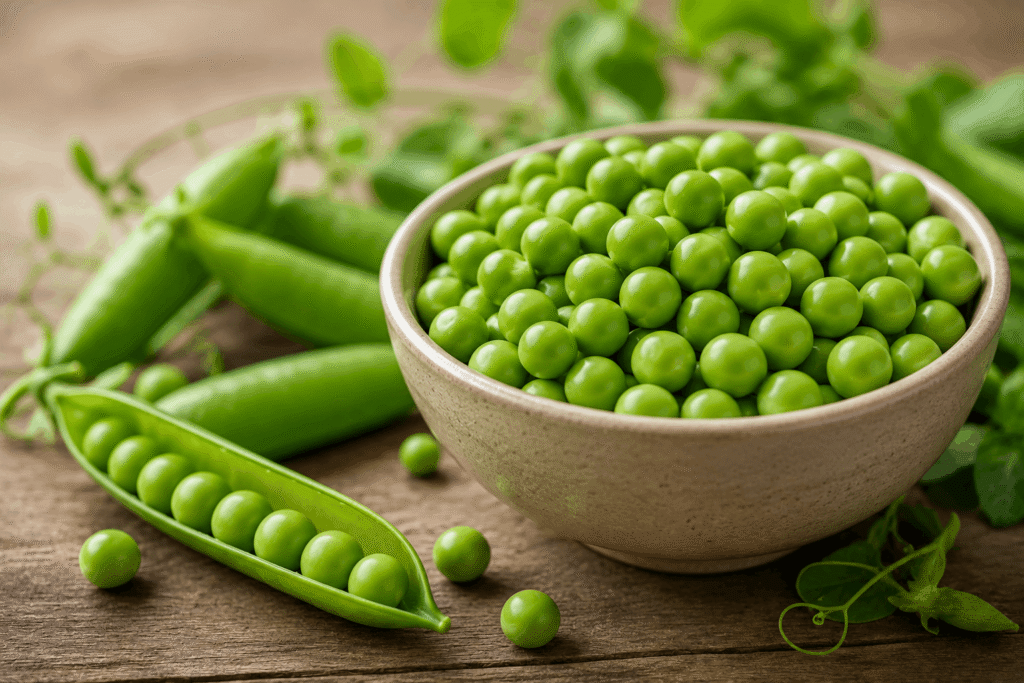
An understated winner in winter. They give you your vitamin C, protein, and fibre in one hit, and will readily find their way into sabzis, pulao, salads, or roasting with spices for an easy munch. Even the pickiest child is likely to consume them without argument.
Why Bother — The Real Benefits
Immunity that actually holds up.
Vitamin C is crucial for healthy white blood cells that fend off infections.
Skin that looks (and feels) healthier.
It plays a direct role in collagen production, which keeps skin firmer and can soften those early signs of ageing.
Better iron absorption.
This is a big one for vegetarians especially — vitamin C significantly boosts how well your body absorbs non-heme iron from plant sources.
Faster healing.
Cuts, scrapes, minor wounds — vitamin C is directly involved in tissue repair, so getting enough of it can genuinely speed things up.
Cellular protection.
As an antioxidant, it helps fend off the kind of cell damage that adds up over time.
Cooking Habits That Quietly Kill Your Vitamin C
Vitamin C really doesn’t love the heat, air or long storage so a few easy switches in the kitchen will have you covered:
- Eat things raw or lightly cooked when you can
- Skip the long boil — steaming or a quick stir-fry keeps more nutrients around
- Don’t leave cut fruit sitting out for hours; oxidation eats away at the vitamin C
- Store fresh produce properly instead of letting it sit on the counter for days
- Cook closer to mealtime rather than reheating the same vitamin-C-heavy dish over and over
Signs You Might Be Falling Short
There are some signs you should keep an eye out for – unexplained, chronic tiredness, gums bleeding that’s unusual for you, skin appearing dry and rough, wounds healing at a slower rate, or a higher frequency of colds. If more than one of those applies, it’s worth trying to increase the consumption of foods like these this week – and if that doesn’t help, speak to a doctor.
A Few Myths Worth Clearing Up
“More vitamin C always means better immunity.”
Nope – there comes a point where you just flush what doesn’t fit. Consistent, everyday intake is way better than loading up a few times per week.
“Only citrus fruits have vitamin C.”
And you can see from the table that there are several different kinds of vegetables, like bell peppers, broccoli and cauliflower, which rank higher than the citrus fruits.
“Vitamin C can cure a cold.”
It’s great for immunity, of course, but no amount of the good stuff alone will solve the whole riddle – so consider it as just another part of the bigger, more holistic eating approach, instead of your miracle pill.
A Few Easy Recipe Ideas
You don’t need to overhaul your entire diet — small, consistent swaps tend to stick better than a dramatic health kick that fizzles out in two weeks.
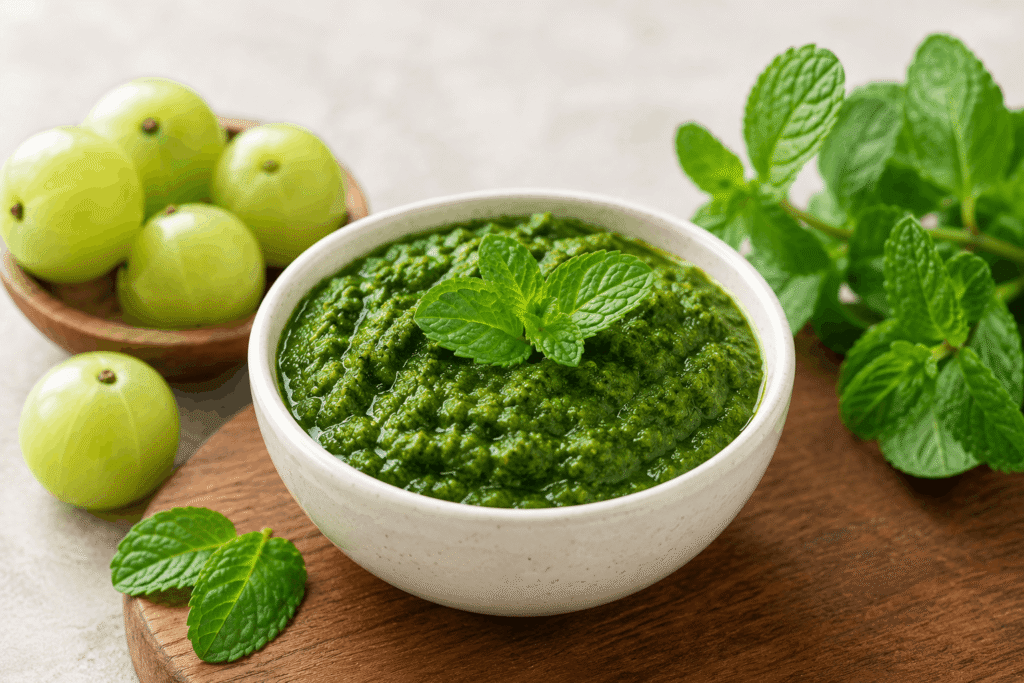
- Amla-Mint Chutney: Blend fresh amla with mint, coriander, a green chilli, and a pinch of salt. Goes great with parathas.
- Guava-Pomegranate Salad: Chopped guava, pomegranate seeds, a squeeze of lemon, and a dusting of chaat masala.
- Bell Pepper Stir-Fry: Sliced red, yellow, and green peppers sautéed quickly with garlic and black pepper — pairs well with rotis or rice.
- Aam Panna: Boil raw mango till soft, blend with roasted cumin, black salt, and mint, then dilute with chilled water.
- Palak-Tomato Sabzi: A quick sauté keeps it light and nutrient-dense — good for a busy weeknight.
- Citrus Fruit Chaat: Orange segments, kiwi, and strawberry with a bit of black salt and lemon juice.
When’s the Best Time to Eat These?
While it’s not so serious to get this perfectly right, taking your vitamin C throughout the day (because your body has a limit on how much it can take in one go) often works more effectively than taking it all at once. You might try amla or lemon water in the morning, one vitamin-C-heavy vegetable such as tomatoes or bell peppers in the afternoon, and one vitamin-C fruit like oranges, kiwi or guavas in the evening.
Who Should Pay Closer Attention to This?
Vitamin C is generally good for everybody, but some might consider ensuring they’re taking it in consciously: anyone who smokes, is under severe stress, is healing from surgery or an injury, is eating a severely restrictive diet where you might be missing some kinds of fruits and veggies, and seniors who sometimes have smaller appetite and may not spontaneously take in one C-rich food a meal.
Wrapping Up
Vitamin C isn’t just the thing you reach for when you feel a cold coming on — it’s quietly involved in your immunity, your skin, and how well your body heals itself. And the good news for anyone cooking in an Indian kitchen is that the best sources — amla, guava, lemon, bell peppers — are already cheap, seasonal, and probably sitting in your fridge or the nearest fruit cart right now. A few small habits — eating things fresh, not overcooking your vegetables, rotating these 15 foods through your week — go a long way, no supplement bottle required.
Frequently Asked Questions (FAQs)
1. Which fruit has the highest vitamin C content?
Not only does it have tons of vitamin C, it is often said that a single small fruit of Amla may contain five times more Vitamin C than an orange.
2. How much vitamin C should I take daily?
For example, most adults could achieve 75-90 mg per day by eating just one piece of amla and/or guava.
3. Does cooking destroy vitamin C in food?
Yeah- it’s heat-sensitive so cooking over time will destroy it, so eating foods that have been minimally cooked or uncooked can ensure that you get the most out of it.
4. How does vitamin C benefit the skin?
This can help to maintain firm skin as the body produces collagen and in time could even smooth some visible effects of the ageing process.
5. Can vitamin C really improve immunity?
Yes, it does support white blood cell activity, which enables your body to fight off infections better.
6. How much vitamin C does guava contain?
Yeah, white blood cells get support with their function to help fight off any nasty buggies.
7. What happens if the body doesn’t get enough vitamin C?
Mmm yeah that also has an assistance role in the helping of the fight back of nasty little buggies.
8. Does bell pepper really contain vitamin C?
Oh yeah, definitely. The red ones, in fact, usually top the chart above fruits like oranges when it comes to vitamin C content.
9. How does vitamin C help with iron absorption?
It helps the body better absorb plant-based (non-heme) iron. If you’re a vegetarian this can be beneficial for your iron intake.
10. Is raw mango a good source of vitamin C?
Yes! Mango is full of it and the main ingredient in the quintessential summer drink called aam panna.
11. Is drinking lemon water in the morning actually beneficial?
Absolutely – it helps with hydration, digestion, while providing your natural daily dose of vitamin C to get the day started right!
12. Can vitamin C help with weight management? Not directly — it doesn’t burn fat — but it supports metabolism and digestion, which can complement other wellness efforts.

 Admin
Admin
[…] – 0.5 – 1 kg per week for most: a realistic and healthy weight loss for most, this often comprises less water weight/bloat, better digestion and a mild calorie reduction, so not a radical ‘before and after’ in a week. 15 Vitamin C […]
[…] Because food sits in your stomach longer, you’ll feel full on portions that would’ve barely counted as a starter before. This sounds great until you realize a small bowl of rice and dal might be all you can manage in one sitting — which means every bite has to count nutritionally. There’s no more room for empty-calorie eating. 15 Vitamin C Rich Foods […]
[…] If there’s time — everything else 15 Vitamin C Rich Foods […]
[…] Here’s something that doesn’t get said enough: lifestyle diseases in India are no longer an “old age” problem. Physicians are now encountering high blood pressure as well as type 2 diabetes in patients barely into their 30s. So much is due to a culture of office chairs, delivery apps vs. Moms’ cooking, and the incessant screen glare until 1 AM. 15 Vitamin C Rich Foods […]