 Admin
Admin Let’s be honest — most of us grew up believing dal-chawal and roti-sabzi covers all our nutritional bases. I used to think so too. Turns out, it’s not quite true. ICMR-NIN data shows urban Indian adults are eating around 55 grams of protein a day on average, when most active adults actually need somewhere closer to 70-90 grams. And here’s the kicker: plenty of people eating what looks like a “balanced” thali are still falling short, because dal and roti carry way less protein than we assume.
So yeah, protein-rich foods deserve more attention than they usually get. Not in some obsessive gym-bro way — just as basic, sensible wellness. And the good news is India has a ridiculous variety of protein-rich foods, vegetarian or not, that slots right into the way we already cook. Let’s get into what actually works.
Why Protein-Rich Foods Matter More Than You’d Guess
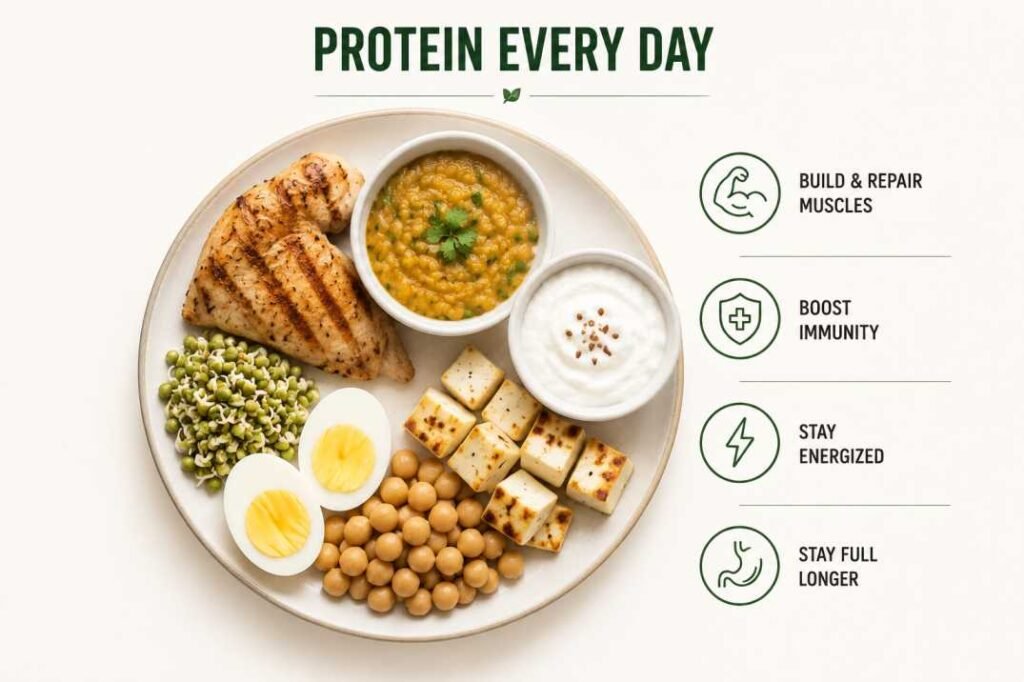
Protein isn’t just a “bodybuilder thing.” It repairs tissue, builds hormones and enzymes, keeps your immune system running, and — this is the part people underestimate — keeps you fuller for longer. That alone can quietly fix a lot of mindless snacking.
According to the ICMR, a healthy sedentary adult requires approximately 0.83 grams of protein per kg body weight. This is about 50 grams a day if you weigh around 60 kg. However, this number represents the bare minimum requirement to avoid deficiency, not the quantity that will give you healthy muscle especially after the age of 30 where you begin to lose muscle without even realising (sarcopenia is the jargon if you want it). If you’re a bit active then even most nutritionists will recommend 1-1.2 g per kg body weight.
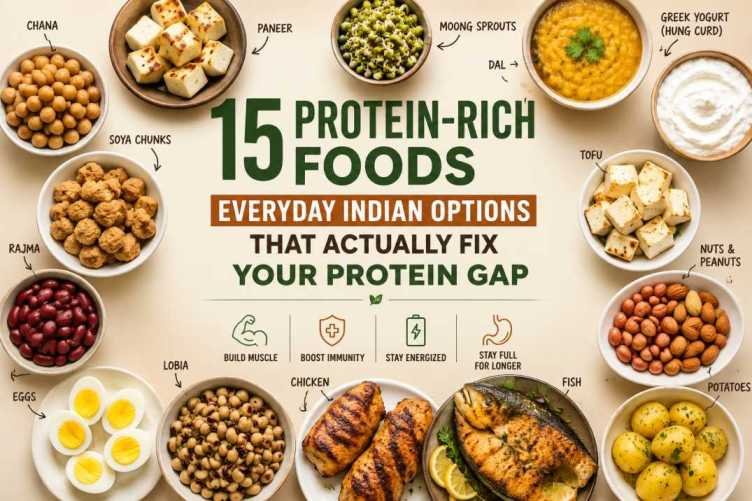
15 Protein-Rich Foods Every Indian Kitchen Already Has (You’re Just Not Using Them Right)
Somewhere along the way, “protein” became this intimidating gym word — like you need a shaker bottle and a six-pack to care about it. But honestly? Most of what you need is already sitting in your kitchen. You just haven’t been using it with any real intention. Let’s fix that, one food at a time.
The Vegetarian Lineup
1. Paneer — The Reliable One
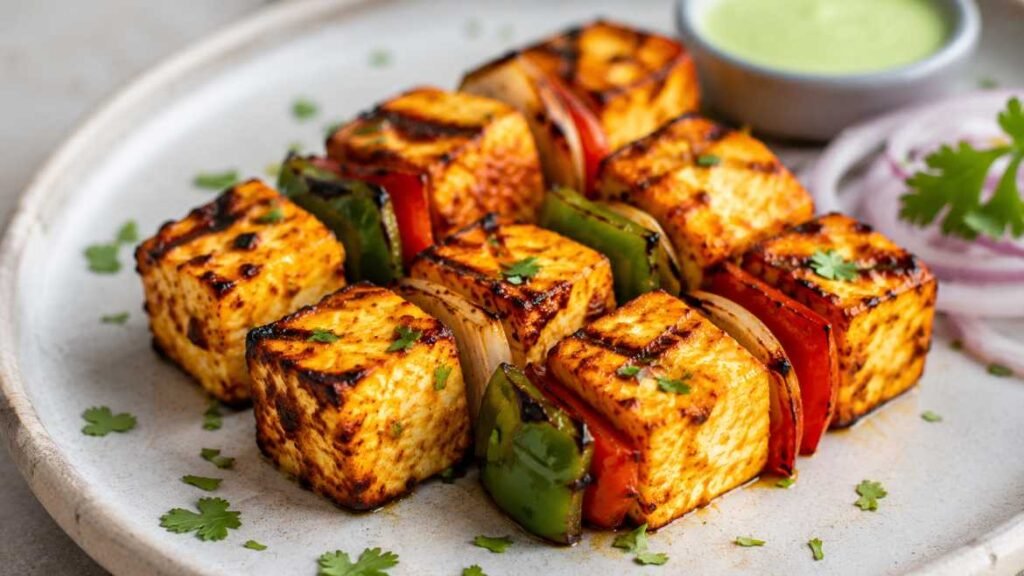
Paneer is basically the friend who never lets you down. A 100-gram chunk gets you close to 18 grams of protein, and unlike a lot of “healthy” foods, it doesn’t taste like punishment. Grill it with a bit of chaat masala and lemon for a quick snack, toss cubes into a wrap with some veggies and mint chutney, or just let it swim in a good sabzi. Palak paneer, matar paneer, kadai paneer — take your pick, they’re all doing double duty as comfort food and protein source.
One thing worth knowing: not all paneer is equal.A Paneer Tikka with Oil-slicked gravy from a restaurant is higher in calories than one home-grilled paneer with little oil.
2. Soya Chunks — The Underdog
Nobody talks about soya chunks enough, and that’s a shame because dry soya chunks are absurdly protein-dense — way more so than most people realize. The trick is in the prep: soak them in warm water for 10-15 minutes, squeeze out every bit of liquid (this matters, don’t skip it), and then toss them into whatever you’re cooking — curry, pulao, even a bhurji-style scramble.
They’re also stupidly cheap, which makes them one of the best protein-rich foods for anyone watching their grocery budget. If you’ve never cooked with them, start with a simple soya curry — onion-tomato masala base, chunks squeezed and added in, simmer for 15 minutes.
3. Chana — The Budget Champion
A cup of boiled chickpeas isn’t just filling protein — it’s fibre too, which means it’s doing your gut a favor while it’s at it.Perhaps the cheapest of all protein sources in any Indian pantry, chana (chickpeas) need only be soaked overnight and then boiled the next morning to form the base of a chole, a chaat or even a basic onion, tomato, and lemon salad.
4. Moong Dal and Pulses — The Misunderstood Staple
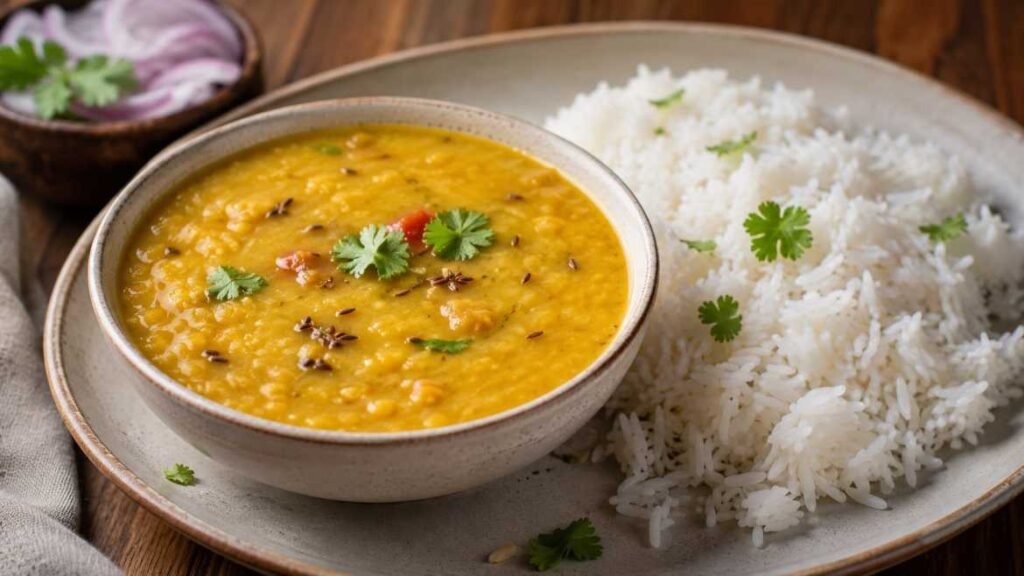
Here’s the thing about dal — most of us are drinking it, not eating it. A thin, watery dal that you’d sip like soup barely registers on the protein scale. But a thick, well-loaded bowl — packed with actual dal, not mostly water — genuinely adds up. Pair it with rice, and you get something nutritionists love to point out: the combination creates a more complete amino acid profile than either food eaten alone.
5. Greek Yogurt / Hung Curd — The Sneaky Multitasker
Normal curd works, but if you strain it you get concentrated protein in a portion of yogurt you call hung curd. It is much thicker and more tangier, and to be honest, even more palatable. Enjoy it in your smoothies for that protein hit without popping a supplement, as a dip with any vegetable, or simply on its own with a trickle of honey for breakfast. If you have never preparedhung curd yourself before then simply hang curd tied in a muslim cloth over night to drain. Nothing really complicated required
6. Tofu — Paneer’s Cousin
I don’t think paneer has the kind of devoted fanbase as tofu does in Indian kitchens, and perhaps it should be there! It’s a good alternative to paneer and tastes nothing like people might expect; it soaks up Indian spices remarkably well. If you crumble some into a bhurji with onion, green chilli and turmeric, it’s almost impossible to differentiate between the paneer and the tofu. It’s a great addition to a stir fry if you’re trying to have something a bit lighter than paneer but don’t want to sacrifice protein.
7. Rajma and Lobia — Comfort Food in Disguise
It is one of those foods that wraps you in a hug, while also silently being ridiculously good for you. Both Rajma and lobia are protein packed and high fibre, a powerhouse protein without leaving you feeling like you’re “dieting”. Soak them overnight and pop them in the pressure cooker and dinner can take care of itself.
8. Peanuts and Almonds — The Snack Fix
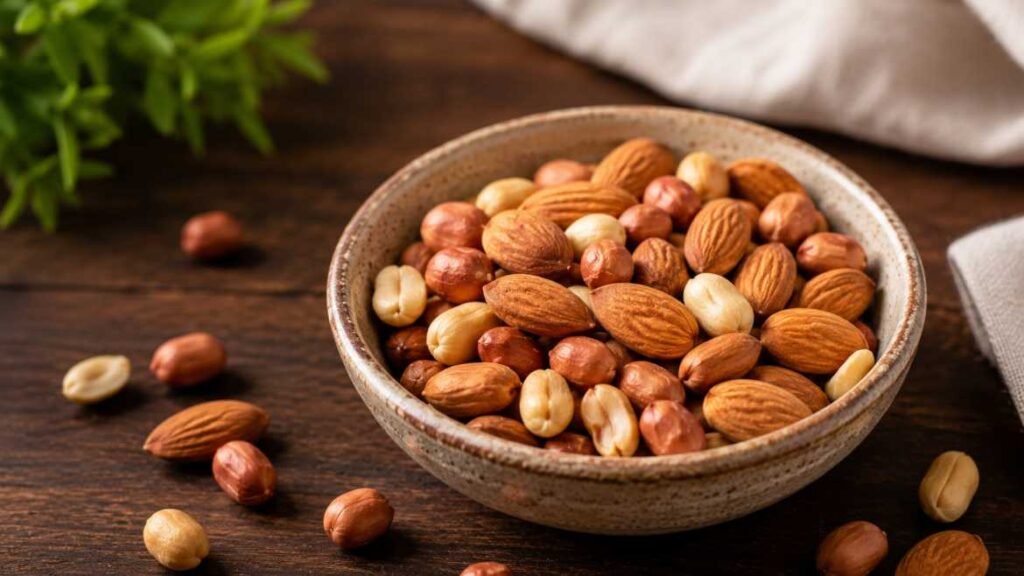
There comes 4 P.M., when your mind is only on those delicious biscuits but a small packet of almonds or peanuts would actually do you a lot of good. They bring protein along with healthy fats, but the catch is portion control — nuts are calorie-dense, so a fistful is plenty. Roasted peanuts with a pinch of salt and chili powder make a genuinely satisfying snack that doesn’t leave you regretting it an hour later.
9. Sprouts — The Lazy Person’s Superfood
If there’s a “zero effort, high reward” protein food, it’s sproutsThere’s no cooking required for sprouted moong or matki. A squeeze of lemon, a bit of onion and tomato, and a sprinkle of chaat masala, and you’ll have a healthy breakfast or snack in less than two minutes. If only all eating healthy can feel this easy to eat!
Protein-Rich Foods for Non-Vegetarians
10. Eggs — The Easiest Win
If you eat eggs, you’ve got one of the simplest protein wins available. One egg gives you about 6 grams of high-quality, easily absorbed protein. Two eggs at breakfast — boiled, scrambled, or as a masala omelette — is genuinely one of the easiest changes you can make to your daily intake. No prep skills required, no long cooking time, just consistent results.
11. Chicken Breast — The Heavy Hitter
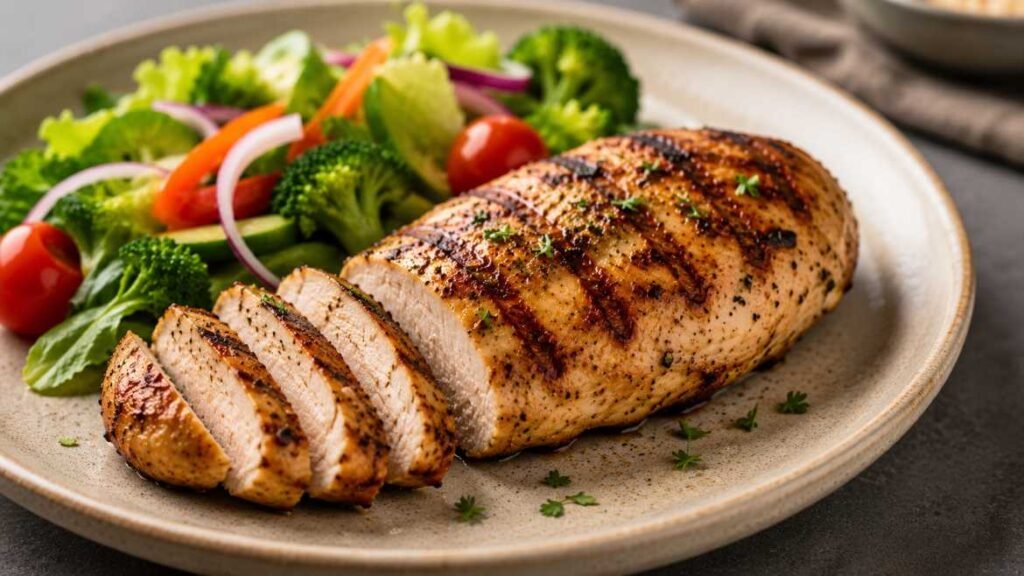
Chicken breast wins the protein league in a landslide: close to 31 grams per 100g with minimal fat, provided you don’t dunk it in a gallon of oil and butter. This food is grilled, tandoori’d, pan-fried with humble spices for a reason. Just make sure you bake, not deep-fry your breast! Otherwise, those ‘lean protein’ claims go out the door when you fry in oodles of oil.
12. Fish — The Bonus Round
Fish like rohu, pomfret, or salmon give you solid protein along with omega-3 fatty acids, which are genuinely good for your heart and brain — something plant and other animal proteins don’t offer in the same way. If you’re someone who eats fish regularly, you’re already ahead on this front without even trying.
13. Mutton and Red Meat — The Occasional Treat
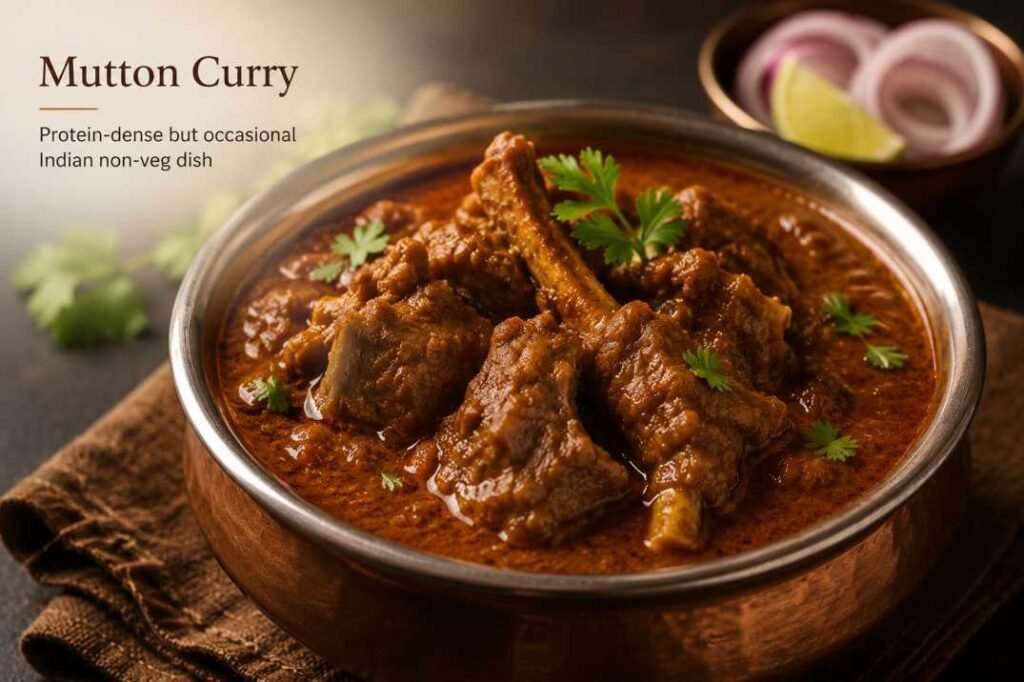
Mutton and other red meats are protein-dense, no argument there, but they also come with higher saturated fat. This doesn’t mean cutting it out — it just means treating it as an occasional indulgence rather than a daily staple, especially if heart health is something you’re mindful of.
14. Whey Protein — The Top-Up, Not the Meal
For people training seriously — think regular gym sessions, strength goals, or just a lifestyle where food alone isn’t cutting it — whey protein can bridge the gap. But it’s exactly that: a top-up, not a replacement for real food. If your daily meals already cover your target, you probably don’t need it. If you’re consistently falling short despite trying, it’s a reasonable, convenient option.
15. Milk — The Quiet Contributor
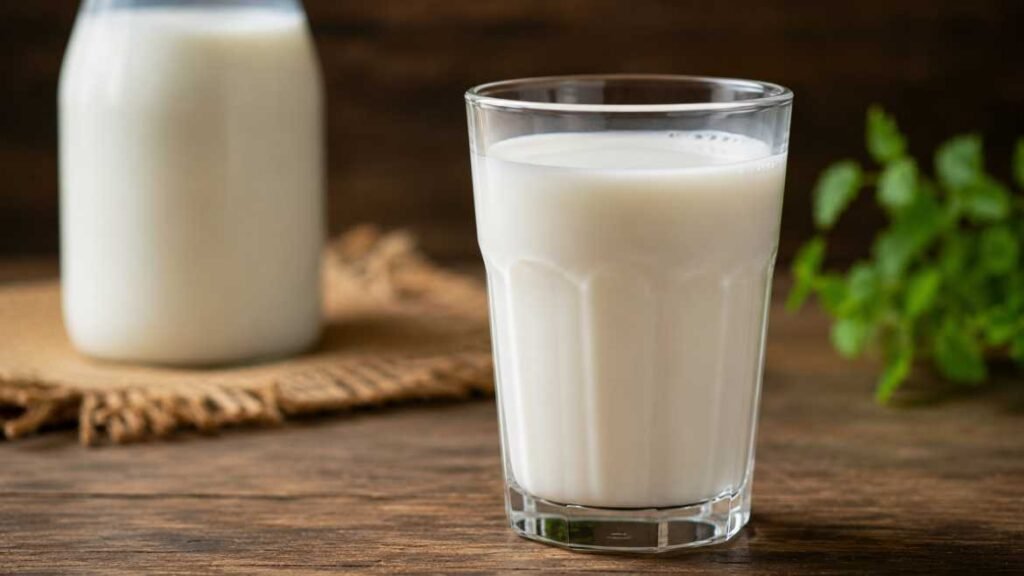
A glass of milk gives you about 8 grams of protein. It’s not going to single-handedly fix your protein gap, but consumed consistently — a glass with breakfast, another before bed — it adds up over the week without you having to think about it much.
Putting It All Together
The real trick with protein-rich foods isn’t finding some magic ingredient — it’s building small, repeatable habits around foods you already like. An extra egg here, a thicker dal there, sprouts instead of biscuits for your evening snack. None of these changes feel dramatic on their own, but stacked across a week, they close the gap that most of us don’t even realize exists.
So How Much Protein Do You Actually Need?
Rough guide, no overthinking required:
- Sedentary: ~0.8–1 g per kg body weight
- Moderately active: ~1–1.2 g per kg
- Regular gym-goers: ~1.2–1.6 g per kg
- Very active / strength training: up to 1.6–2.2 g per kg
For a 65 kg moderately active adult, that’s roughly 65–78 grams a day. And don’t try to cram it all into one meal — spread it across 3-4 meals, aiming for 15–25 grams each, for better absorption.
Mistakes Most of Us Are Making Without Realizing
- Trusting dal too much. Thin dal is nowhere near as protein-rich as we assume. Thicken it or add soya chunks.
- Skipping protein at breakfast. Poha, idli, paratha — all carb-heavy, protein-light. An egg or a bowl of curd fixes this fast.
- Overcooking your protein. Boiling eggs forever or overcooking chicken actually reduces how usable the protein is. Go gentle.
- Depending on milk alone. One glass gives you 8 grams — you’d need way too many glasses to hit your target this way.
- Skipping food combinations. Rice with dal, or roti with rajma, gives you a more complete amino acid profile than either alone.
A Sample Day (Vegetarian)
- Breakfast: Two eggs or sprouts + a glass of milk
- Mid-morning: Almonds or roasted chana
- Lunch: Thick dal, paneer sabzi, roti, curd
- Evening: Greek yogurt with fruit
- Dinner: Rajma or soya curry with rice
Stick to something like this and you’re comfortably past 70-80 grams without touching a supplement — using stuff that’s probably already in your kitchen.
The Bigger Picture
Protein-rich foods aren’t some trendy diet fad. They’re just… foundational. Better energy, stronger immunity, healthier hair and skin, better muscle tone, easier weight management because you’re staying full longer. Given how many Indian adults are unknowingly protein-deficient despite eating “normal” meals, small consistent tweaks matter way more than some dramatic diet overhaul.
Start small. One more protein-rich food per meal — an extra egg, a spoon of peanuts, a slightly thicker dal. Let it add up over weeks, not days.
FAQs
Q: What are the best protein-rich foods for Indian vegetarians?
Paneer, soya chunks, chana, moong dal, Greek yogurt, and tofu top the list — solid on both quantity and quality.
Q: Can I hit my protein target without supplements?
Mostly, yes — if meals are planned with intention. Whey and similar supplements are useful add-ons for serious training, not a baseline requirement.
Q: How do I know if I’m protein deficient?
Fatigue, thinning hair, slow recovery after workouts, constant hunger — these are common flags. Best to get it checked by a dietitian rather than self-diagnosing.
Bringing It Together
If there’s one thread connecting all three of these questions, it’s this: protein doesn’t need to be complicated, but it does need a bit of intention. Vegetarian India already has strong, accessible options sitting in the kitchen. Supplements are a tool for specific situations, not a requirement for general wellness. And if something feels off — constant tiredness, hair thinning, workouts that aren’t paying off — it’s worth getting checked properly rather than guessing.

 Admin
Admin
[…] Not necessarily. The framework below (protein + fibre + moderated carbs per meal) automatically results in a mild deficit for most people and doesn’t require daily tracking although if you’d like to be more precise feel free to track. Protein-Rich Foods […]