 Admin
Admin Enter the search term ‘superfoods’ and you’ll be drowned in lists. Usually they just offer variations on the same five foods in a different order and usually neither give a clear indication as to which one is best suited for your individual issue. If you catch the flu every winter then you won’t have the same requirements as someone struggling with high cholesterol.
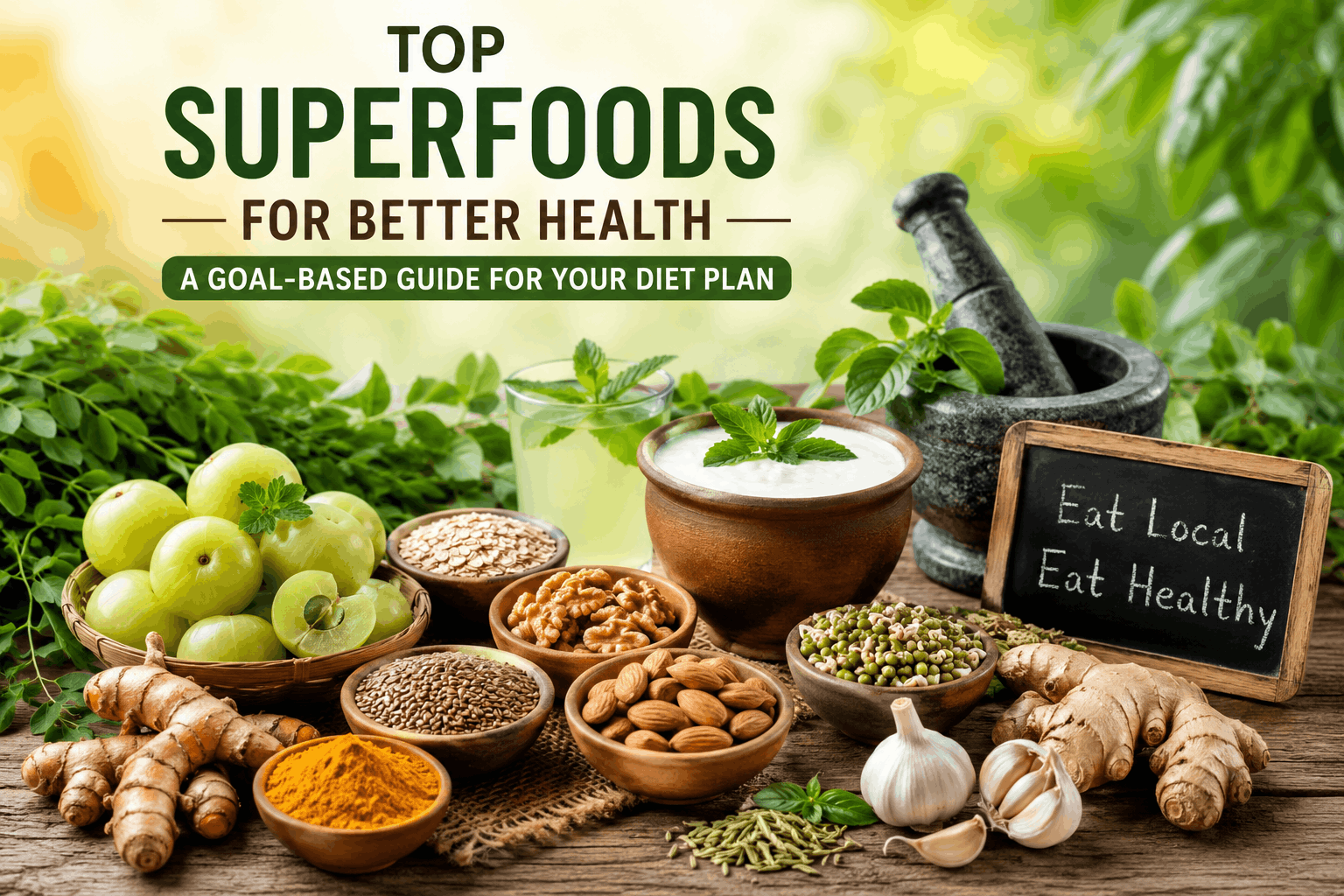
So instead of another generic list, this one’s organized around outcomes — what do you actually want to fix? Once that’s clear, picking superfoods for better health stops being guesswork and starts being a real part of your diet plan.
Why Picking by Goal Beats Picking Randomly
More or less like that: someone finds out about chia seeds, gets a packet and eats it at the smoothie for a fortnight before neglecting its presence in the diet. The same goes for quinoa… The fridge gets stocked up by half opened bottles and pots of “healthy food” but nothing changes actually.
The fix isn’t more superfoods. It’s the right ones, chosen for a reason. Ask yourself: am I tired by 4 pm every day? Do I catch every cold going around the office? Is my digestion a mess after lunch? Whatever the answer, there’s probably a food (or two) that’s been quietly solving that exact problem in Indian households for generations.
Superfoods for Better Health: Immunity and Seasonal Defense
If you’re the person who gets sick every time the weather shifts, start here.
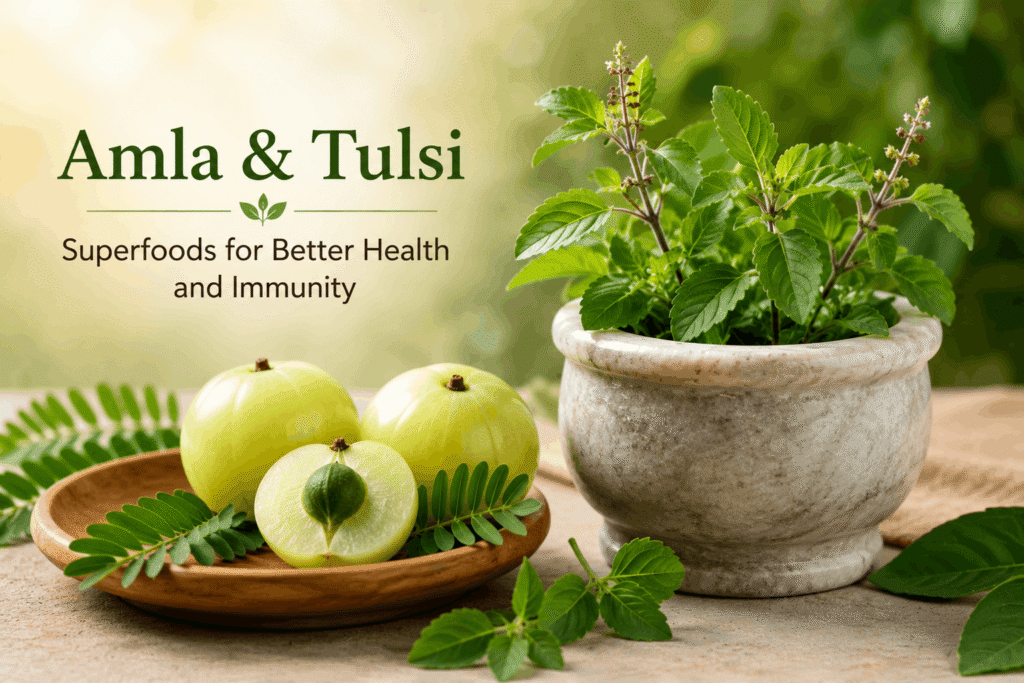
Amla tops most lists for a reason — it has one of the highest natural vitamin C contents of any common fruit, and that vitamin C plays a direct role in how well your immune cells function. Eating one raw amla a day, or having amla murabba through winter, is an old habit that still holds up.
Another option of great importance, not only as the ritual herb but Tulsi. There are antimicrobial and antioxidant agents in this plant that apparently enhance the defence of your lungs, which is significant for the times when you suffer from the common colds and infections.
And then there’s the classic kadha — ginger, turmeric, a bit of black pepper, simmered together. Nothing fancy, but the anti-inflammatory compounds in both ginger and turmeric make this more than just a grandmother’s remedy.
Superfoods for Better Health: Heart and Cholesterol
This category matters most if heart disease runs in your family, or your last blood test flagged borderline cholesterol.
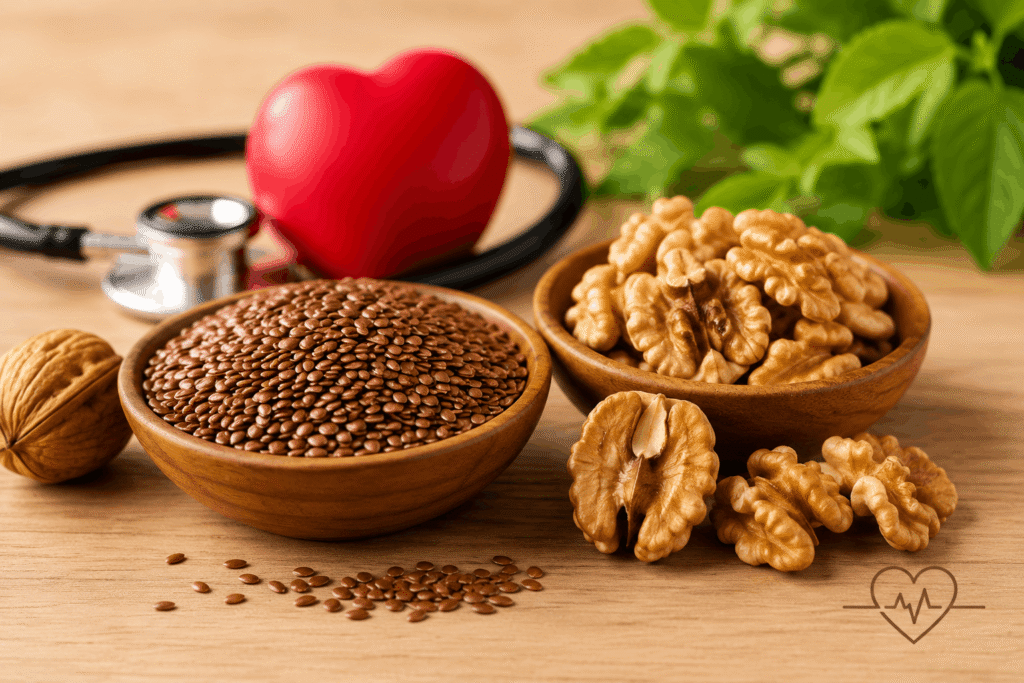
Flax seeds are tiny but pack a punch -they’re laden with theomega-3sandsoluble Fibre, all proven to slowly help lower your LDL Cholesterol. Just toast them lightly, grind into a fine powder, and add a teaspoon to yourDal OR roti dough. They really don’t add any distinct taste!.
Walnuts have a fat profile that’s genuinely good for the heart, but the catch is portion size. A small handful, not a bowlful — overdo it and the calories add up fast.
Garlic deserves a mention too. It’s already in most Indian cooking, so there’s nothing new to “add” here, just don’t skimp on it. Regular use has been tied to modest drops in blood pressure and cholesterol.
Oats round this category out. Replacing a fry up with a small bowl of oats a few times a week makes a surprising difference because they’re packed with beta-glucan fiber.
Superfoods for Better Health: Gut and Digestion
Bloating, acidity, that heavy feeling after lunch — sound familiar? This is where the fix usually lives.
Curd and buttermilk aren’t just cooling summer drinks. The probiotics in them support gut bacteria, and gut bacteria affects more than digestion — it touches immunity and even mood. A glass of chaas after lunch is a small habit with a real payoff.
Saunf-aka Fennel Seeds Those you are often offered post-dinner have actual health benefits. They contain mild anti-spasmodic capabilities that calm the stomach, and fight against bloat-perhaps explaining why the practice never became extinct.
Ajwain water is the quiet workhorse here — cheap, easy, and genuinely useful for gas and acidity. No supplement aisle required.
Superfoods for Better Health: Energy and Metabolism
For the 4 pm slump crowd, the answer usually isn’t more coffee.
Your after-work slump? Try trading out that rice for some ragi, bajra, or jowar two or three times a week-they release energy over time rather than provide a high followed by a crash.
Underrates: Sprouted moong and chana. The sprouting process makes proteins easily digestible, and it increases fiber as well. A plain sprouted salad should see you through many hours and make you feel satiated.
Jaggery, when added in small doses to replace refined sugar, contains traces of iron and minerals. While we cannot really classify it as a healthy food, it’s still a smarter option when you do have a sweet tooth.
And bananas are cheap, easy-to-find, a godsend in the before-exercise period and at the time of the slump.
Superfoods for Better Health: Skin, Hair, and Bone Strength
These take a while to kick in, and that’s why this is likely the category people most undersell. They add up.
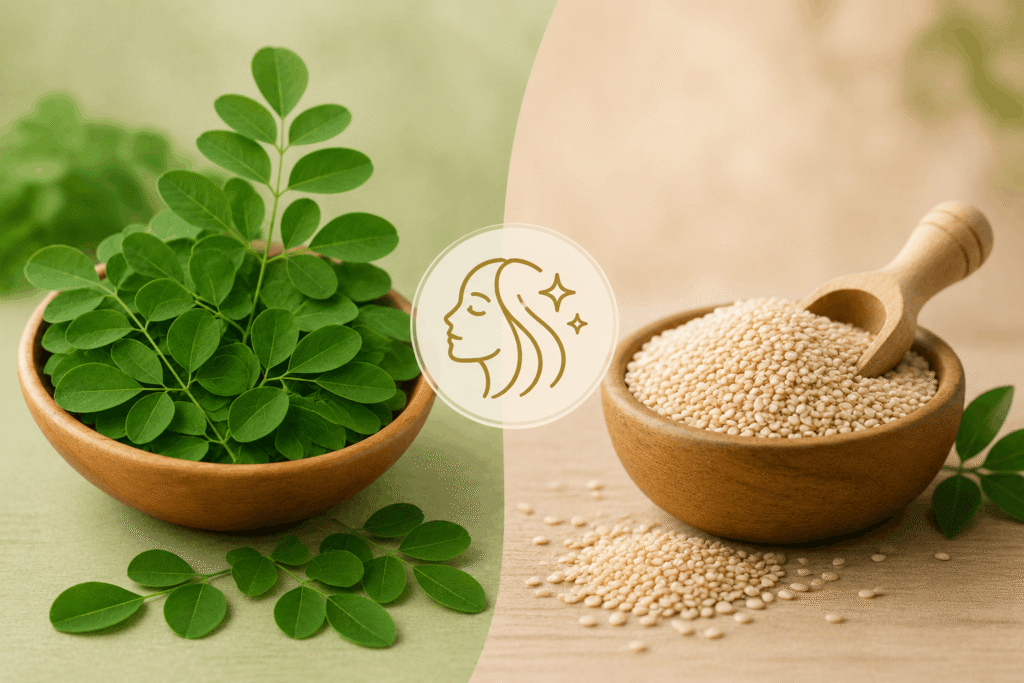
High on iron, calcium and vitamin A, moringa leaves offer support for hair strength, skin health and repair that typically reveals over weeks and months, not days. Stir moringa powder into parathas or dal a few times a week and let its wonders unfurl slowly, steadily.
The tiny seeds are an easy plant-based source of calcium. And that stuff is important for women especially since women are more prone to lose bone density later in life..
Even with grains here comes ragi – not an easy contender for calcium is very unusual; it is therefore another food to fill dual duty.
Superfoods for Better Health: Brain Function and Stress
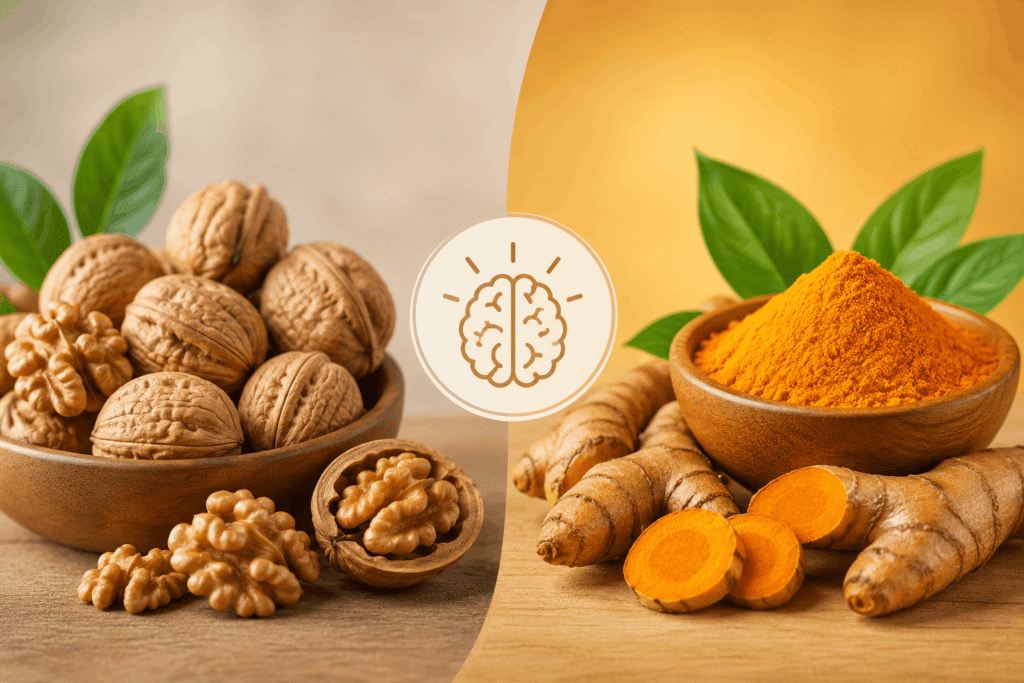
We talk a lot about mental well-being, but food also impacts us in many subtle, unseen ways.
In terms of their more positive impacts, walnuts and almonds boast an array of nutrients like healthy fats, antioxidants, and more, to which study researchers connect long-term brain health. It doesn’t seem to have much impact on a day-to-day level but it contributes overall over time.
Once again tulsi rises to greet – this herb also comes to Ayurvedic practice, it’s classified as an adaptogen- an herb thought to help our body handle stress better instead of just fighting colds.
Turmeric’s potent active ingredient may support brain health on top of its renowned joint and digestive health properties.
Matching Food to Where You Live
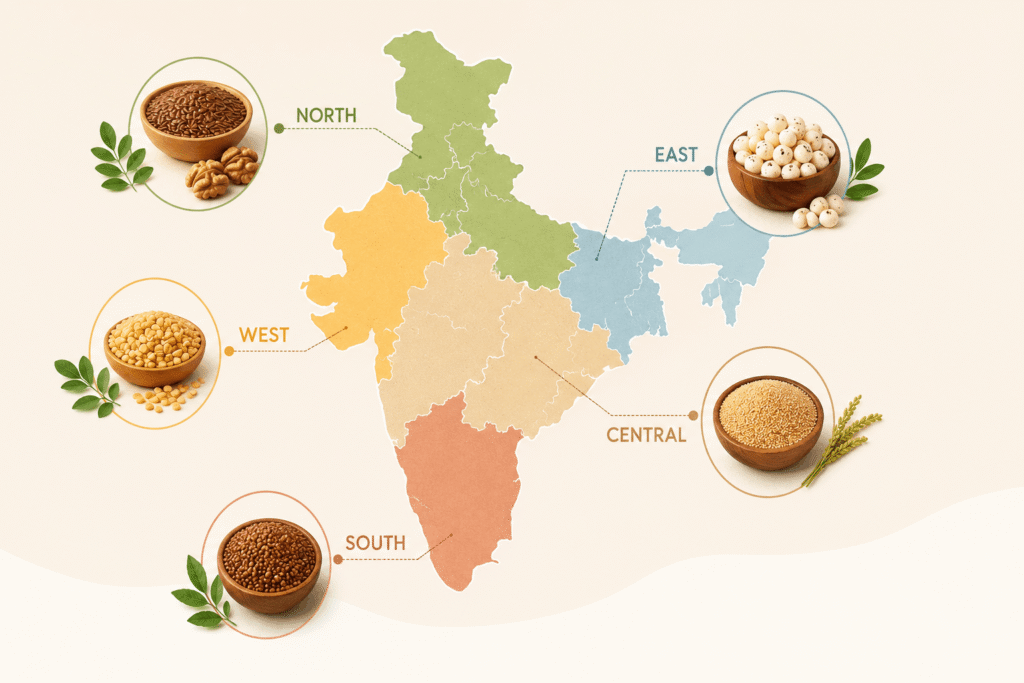
India’s size works in your favor here.Depending where in the world you may live, the following few of the following may already exist in your pantry already without even realizing their health potential.
- North India leans on mustard greens, ghee, and bajra, especially in winter.
- South India already runs on curd rice, coconut, and ragi.
- East India gets natural omega-3s through mustard oil and fish.
- West India’s thalis are full of jowar, groundnuts, and a wide mix of legumes.
The point is, you probably don’t need to import anything exotic. Your regional diet plan likely already has what you need — it just needs more consistency, not more variety.
Building a Routine Without Turning Your Kitchen Upside Down
Grab a food per category that works for you – not something that you will not eat again in real life ever. Move around what you’re cooking, so you’re not just eating the same 5 things over and over again – you’d be amazed how many people fail at this. Leverage things you do already, just adding Ajwain water to it, or just taking a dose right after a meal. Every 3rd to 5th week change things that are available during the season.
Mistakes Worth Avoiding
Loading up on one category while ignoring the rest is a common trap — eating amla every day won’t fix digestion problems. Treating superfoods like medicine is another one; they support a diet plan, they don’t replace actual medical care when something’s seriously wrong.Size is also a common trip up with higher calorie food sources like nuts, ghee and jaggery. Consistency is key – better to eat small amounts everyday than a heavy dose weekly.
Frequently Asked Questions
How do I choose the right superfoods for better health based on my goal?Determine the category your current priority health issue falls under – is immunity,digestion,hearthealth,energy or skin/bone health – and choose just two to three foods in that particular health-category and consistently eat those, rather than trying it all at once..
Are regional Indian foods as good as imported superfoods like quinoa or kale? Often yes. Imported alternatives could compete with ragi, amla & curd in terms of quality, is significantly more expensive & does not integrate into a day to day plan.
Can different categories of superfoods be combined in one diet plan? Yes, and most people end up doing this naturally — pairing immunity foods with gut-health foods, for example, rather than sticking to just one category.
How long before I notice any difference? Digestion and energy usually shift within a couple of weeks of consistent eating. Skin, hair, and bone-related benefits take longer, usually a few months.
Final Thoughts
Honestly, the “smartest” approach to getting health benefits out of superfoods – doesn’t involve grabbing the trendiest one being shoved down our throats on social media, but finding foods with benefits matched to desired goals and weaving them into an actual achievable plan. The raw ingredients – they usually exist in an Indian kitchen. What it lacks is a strategy and perseverance. Choose the goal, choose the food, and give it time.

 Admin
Admin
[…] solution is not another oil. It is a smarter diet plan. Specifically, a diet plan built around the best vegetables for hair growth — and that is exactly what we are building […]